Over 100 Feared Dead After ‘Mistaken’ Nigerian Airstrike Hits Market
Civilian casualties mount as military airstrike raises concerns over targeting and intelligence failures in Nigeria
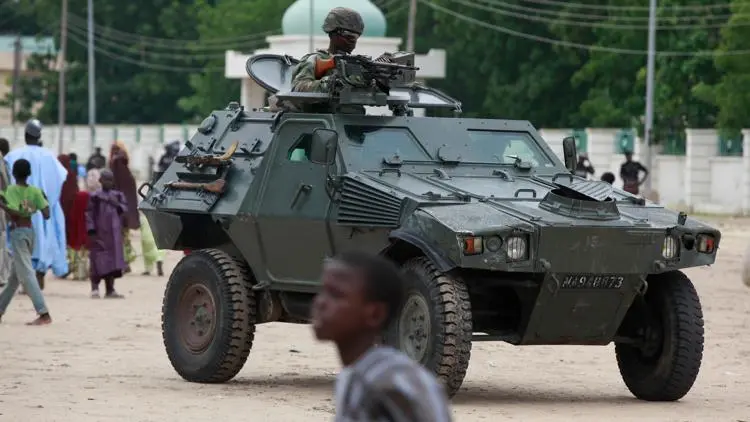
- Over 100 civilians feared dead after an airstrike reportedly hit a crowded market in Yobe State.
- Amnesty International condemns the attack, citing reckless use of force and civilian harm.
- Incident highlights ongoing risks of military misfires in Nigeria’s fight against insurgency.
At least 100 civilians are feared dead after a Nigerian Air Force operation targeting insurgents reportedly struck a busy local market in Yobe State, in the country’s conflict-hit northeast.
The incident, which occurred on Saturday, has been described by officials as a tragic misfire, highlighting the ongoing risks faced by civilians in Nigeria’s prolonged fight against extremist groups such as Boko Haram and Islamic State West Africa Province.
Conflicting Casualty Figures
Initial reports placed the death toll at over 100, but local authorities suggest the number could be significantly higher.
A community leader, Lawan Zanna Nur Geidam, described the attack as “devastating,” claiming that more than 200 people may have been killed. Injured victims were transported to hospitals across Yobe and neighbouring Borno State.
Despite varying figures from local media, Amnesty International confirmed widespread destruction after speaking with survivors and medical personnel.
“We are in contact with those affected and have verified casualties,” said Isa Sanusi, who strongly condemned the strike.

The organisation criticised the military’s actions, describing the incident as reckless and unlawful, and raising concerns over the protection of civilian lives.
Military Response and Disputed Target
The Nigerian Air Force acknowledged carrying out operations in the area but did not confirm that a market had been hit.
According to military statements, the strike was aimed at a suspected insurgent stronghold in the Jilli axis, believed to be a logistics hub for militants following recent attacks on troops.
Officials insisted that the operation was based on intelligence from multiple sources and supported by aerial surveillance before “precision strikes” were executed.
However, eyewitnesses and survivors painted a different picture, describing scenes of panic as bombs struck a crowded marketplace known to attract traders from surrounding communities.
Survivor Accounts
One survivor, Ahmed Ali, recounted the chaos from his hospital bed after sustaining injuries.
“I tried to run, but we had to lie flat on the ground as explosions went off,” he said.
Government Acknowledges Impact
Authorities in Yobe State confirmed that civilians were affected during the operation, noting that some victims had travelled from nearby communities to attend the weekly market.
Emergency response teams have since been deployed, although officials say casualty figures are still being verified.
Recurring Pattern of Civilian Harm
Security analysts say the incident reflects a troubling pattern in Nigeria’s aerial campaign against insurgents. Since 2017, airstrikes have reportedly killed hundreds of civilians, often due to flawed intelligence and poor coordination between ground and air operations.
Wider Security Context
Nigeria continues to grapple with a complex security crisis, particularly in the north, where insurgent groups, bandits, and kidnappers operate across vast territories.
The situation is further complicated by cross-border threats and the emergence of new armed factions, making military operations increasingly challenging.
Humanitarian Concerns Grow
The tragedy at the Jilli market underscores the difficult balance between combating insurgency and safeguarding civilian lives.
While the military maintains that the operation targeted terrorist elements, the high civilian toll raises urgent questions about intelligence accuracy and operational safeguards.
Analysts warn that without improved coordination and stronger protections for civilians, such incidents risk undermining efforts to restore stability and trust in affected communities.