Stonebwoy Shares Experience of Airport Searches Due to Dreadlocks
Dancehall star opens up on airport profiling and societal perceptions surrounding dreadlocks
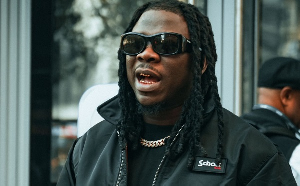
- Stonebwoy reveals he is often stopped and searched at airports due to his dreadlocks.
- Artiste says he understands security concerns but does not take the profiling personally.
- He highlights ongoing stigma around dreadlocks, stressing that respect depends on personal conduct.
Ghanaian dancehall star Stonebwoy has revealed that he is frequently subjected to additional security checks at airports, often because of his signature dreadlocks.
Speaking in an interview about his travel experiences, the artiste, born Livingstone Etse Satekla, said he is sometimes pulled aside for secondary screening, with security officials going as far as inspecting his hair closely.
“They search deep into the locks and take me in for further questioning, but once they realise who I am, it’s all good,” he explained.
Understanding the Situation
Despite the repeated checks, Stonebwoy said he does not take the situation personally. He acknowledged that such measures are often tied to security concerns.
“I understand because some people hide illegal substances in their hair when crossing borders, so I see why it happens,” he noted.
Perspective on Profiling
The “Silent Samurai” hitmaker added that he remains unbothered by the profiling and instead views it as an opportunity for interaction.

“It doesn’t get to me. Sometimes it even gives me the chance to meet senior officials,” he said.
Addressing Social Perceptions
Stonebwoy also reflected on the broader stigma surrounding dreadlocks, noting that societal perceptions can sometimes be negative.
He recounted a personal experience where even a family member reacted silently but noticeably to his appearance.
“People may have their opinions about dreadlocks, but I believe respect ultimately depends on how you carry yourself,” he said.
Known for his distinctive dreadlocks, Stonebwoy has consistently embraced the hairstyle as a core part of his identity and artistic brand, while using his platform to challenge stereotypes associated with it.