Monday’s Rainfall Among Highest Recorded in Several Years — Mahama
President blames climate change, blocked waterways and rapid urbanisation as Accra battles one of its heaviest rainfall events in years.

- Mahama says Monday's rains were among the heaviest in years.
- Climate change has significantly increased rainfall intensity.
- Government vows tougher action against blocked waterways.
President John Dramani Mahama says Monday’s torrential rains that triggered widespread flooding in Accra rank among the heaviest recorded in recent years, citing climate change, rapid urbanisation and poor waste management as key drivers of the disaster.
Speaking after an aerial inspection of flood-affected communities on June 29, President Mahama said preliminary data showed that approximately 140 millimetres of rain fell over Accra in a single day—more than double the highest daily rainfall recorded in 2025, which stood at about 56 millimetres.
“Today’s rainfall is one of the highest in several years,” the President said, describing the downpour as exceptional.
He revealed that data from the Ghana Meteorological Agency (GMet) indicates a consistent increase in rainfall over the past three years, with June rainfall totals rising from about 85 millimetres in 2024 to 172 millimetres in 2025 and approximately 333 millimetres in 2026.
According to President Mahama, the increasing frequency and intensity of rainfall leave drainage systems with little time to recover between storms, significantly increasing the risk of flooding across the capital.
He noted that while climate change has intensified rainfall patterns, engineering challenges have also contributed to Accra’s flood vulnerability.

The President explained that rapid urban expansion has obstructed many of the city’s natural waterways, reducing their ability to channel stormwater into the Atlantic Ocean.
He also blamed indiscriminate waste disposal and the illegal conversion of wetlands into dumping and building sites for worsening the situation.

President Mahama stressed that solving Accra’s perennial flooding will require both modern engineering solutions and strict enforcement of planning and environmental regulations, including the removal of structures obstructing drainage channels.
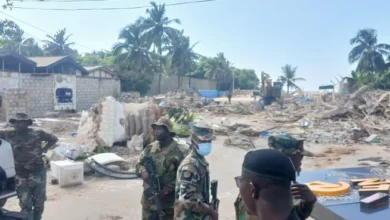
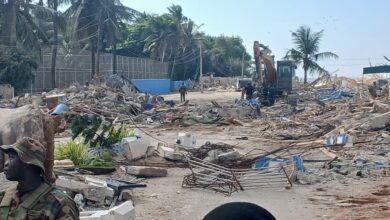
He acknowledged that demolition exercises often attract public criticism but insisted that decisive action is necessary to protect lives and property from recurring flood disasters.
The President reaffirmed government’s commitment to implementing both immediate interventions and long-term measures aimed at building a more flood-resilient capital.