Agona West NPP Organiser Reportedly Arrested Over “Dumsor” Criticism
Party claims David Essendon, popularly known as Sam Toys, was picked up by security operatives after allegedly criticising President Mahama over the resurgence of “dumsor.”
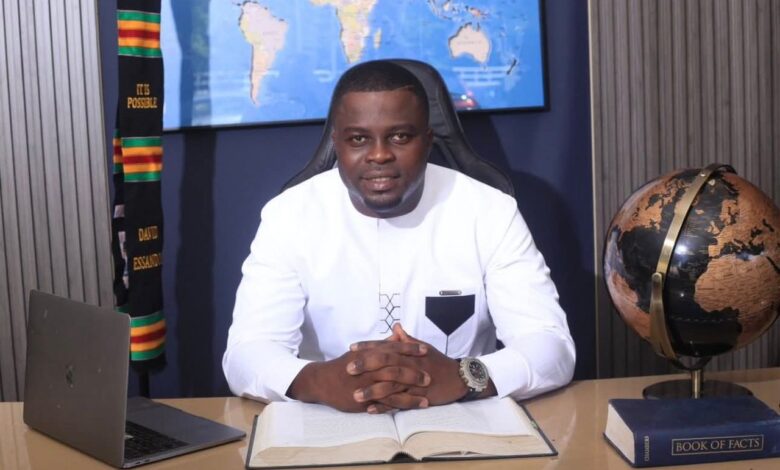
- Agona West NPP Organiser David Essendon, also known as Sam Toys, has reportedly been arrested
- The arrest is linked to alleged comments about the return of “dumsor” under President John Dramani Mahama
- NPP officials claim security operatives carried out a “Rambo-style” operation at his residence.
The Agona West Constituency Organiser of the opposition New Patriotic Party, David Essendon, popularly known as Sam Toys, has reportedly been arrested by a joint team of police and National Security operatives.
According to the party, the arrest occurred at his residence after he allegedly criticised President John Dramani Mahama over the return of intermittent power outages, commonly referred to as “dumsor.”

Speaking in an interview, the NPP’s 2024 parliamentary candidate for Agona West, Christopher Arthur, confirmed the arrest and described the development as shocking to party members.
He revealed that prior to the arrest, Mr Essendon allegedly received a message from Detective Inspector Eric Gyan Aboagye of the CID Headquarters Special Investigations Unit.
The message reportedly read: “There is a case of publication of false news on 24/04/2026 in which you are involved. Kindly make yourself available. Failure to do so by 30/04/2026 will lead to the issuance of an arrest warrant.”

Lawyer Arthur stated that they initially believed the message could be fraudulent due to the increasing activities of scammers.
However, he alleged that security operatives later stormed Mr Essendon’s residence in three vehicles and arrested him in what he described as a “Rambo-style” operation.