Business

Stephen Amoah Calls for Structural Reforms to Prevent Future IMF Bailouts

The Nhyiaeso MP and former Deputy Finance Minister says Ghana must fix deep economic inefficiencies, curb waste and corruption, and boost local production to ensure long-term fiscal stability.
Story Highlights
  • Dr Stephen Amoah urges deep structural reforms to strengthen Ghana’s economy and avoid future IMF programmes.
  • He warns that blanket government spending cuts without analysis could harm economic growth.
  • He calls for reduced domestic borrowing costs, stronger agriculture, and lower import dependence.

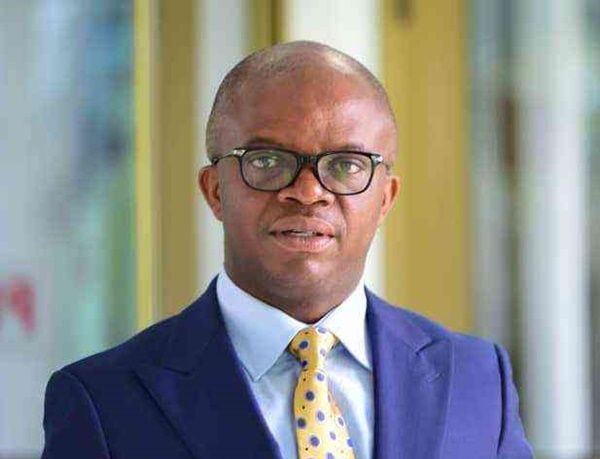
Former Deputy Finance Minister and Member of Parliament for Nhyiaeso, Stephen Amoah, has urged Ghana to implement deep structural economic reforms to avoid future reliance on International Monetary Fund (IMF) bailout programmes.

His comments come as Ghana transitions from its IMF-supported programme to the Policy Coordination Instrument (PCI), which authorities say is designed to maintain fiscal discipline and improve economic management without direct financial assistance.

Dr Amoah argued that Ghana’s economic difficulties cannot be resolved through blanket cuts in public spending, warning that such measures must be backed by proper economic analysis.

He questioned the basis for across-the-board expenditure reductions, insisting that policymakers must first identify which areas of government spending are essential to economic growth.

“There are so many fundamental anomalies that we need to fix first,” he said. “You cannot just wake up and say you are cutting expenditure by 30%—by what econometric analysis?”

Dr Amoah further stressed that not all spending items have the same impact on Ghana’s Gross Domestic Product (GDP), cautioning that poorly designed cuts could slow economic activity.

He also raised concerns about government borrowing on the domestic market, arguing that high interest rates crowd out private sector investment and hinder economic expansion.

“Governments most of the times borrow on our domestic market at a high rate than the private sector; this thing is destroying this country,” he stated.

Beyond fiscal issues, he highlighted corruption, inefficiency, and waste within public institutions as major barriers to sustainable economic progress.

Dr Amoah also called for urgent reforms in the agricultural sector, saying Ghana must reduce its dependence on imports by strengthening local production systems.

He cited simple value-chain opportunities, such as local fruit juice production, as areas where domestic capacity could replace imports and strengthen the economy.

“We need to quickly come back and deal concisely with issues of agriculture,” he said, adding that boosting local production would help build a more resilient and self-sufficient economy.

Related Articles

Leave a Reply

Your email address will not be published. Required fields are marked *

Back to top button