American Aid Worker Tests Positive for Ebola in DR Congo Outbreak
CDC confirms infection as outbreak in eastern DR Congo surpasses 100 deaths.

- American aid worker tests positive for Ebola in DR Congo outbreak
- CDC confirms over 100 deaths and rapid spread of the virus
- Emergency response and travel restrictions activated to contain outbreak
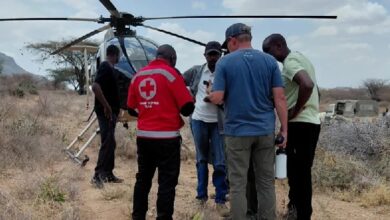
An American aid worker has tested positive for Ebola after being exposed while carrying out humanitarian work in the Democratic Republic of Congo (DRC), U.S. health authorities confirmed on Monday, as a fast-spreading outbreak in the region continues to claim more than 100 lives.
The U.S. Centers for Disease Control and Prevention (CDC) said the infection occurred in eastern DRC, where a rare and highly dangerous strain of Ebola is circulating.
The patient has been identified by the Serge Christian mission organisation as Dr. Peter Stafford, a medical missionary who had been treating patients at Nyankunde Hospital. He reportedly developed symptoms over the weekend and tested positive on Sunday night.
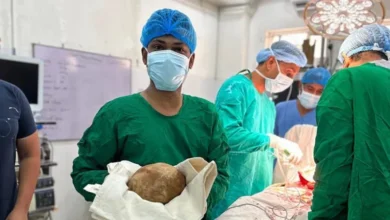
According to CDC Ebola response coordinator Dr. Satish Pillai, the infected worker is being evacuated to Germany for advanced treatment in coordination with the U.S. State Department. Six other individuals exposed to the virus are also being moved for monitoring and care.
Health officials say the outbreak has become increasingly concerning due to delayed detection and rapid spread across remote parts of eastern Congo. So far, at least 105 deaths and 393 suspected cases have been reported.
The current outbreak involves the Bundibugyo strain of Ebola, for which there is currently no approved vaccine or specific treatment.

The CDC said it is deploying specialist teams from Atlanta to support containment efforts, while working with partners on potential experimental treatments, including monoclonal antibody therapies.
Despite the development, U.S. authorities stressed that the risk to the general public remains low.
However, former CDC Director Thomas Frieden warned that weakened global coordination and funding cuts could hinder response efforts, noting that the outbreak has already grown beyond early containment stages seen in past epidemics.
He cautioned that unlike earlier Ebola outbreaks, which began with limited cases, the current situation already involves widespread infections across multiple areas, making control more difficult.
The CDC has also announced temporary travel restrictions affecting some passengers from the DRC, Uganda and South Sudan, citing Ebola’s incubation period of up to 21 days.
Under the new 30-day directive, non-exempt travelers who have recently been in affected countries may face entry restrictions, although U.S. citizens, residents and certain officials are exempt.
Authorities say enhanced screening, airport monitoring, contact tracing and hospital preparedness measures are being scaled up nationwide.
The outbreak has raised additional concerns ahead of major global events in North America, with officials reviewing health protocols for incoming teams and delegations from affected regions.