Rising Unemployment in Ghana: A Growing Crisis Demanding Urgent Action
High youth underemployment and graduate job scarcity signal an urgent need for private-sector growth and educational reform in Ghana.
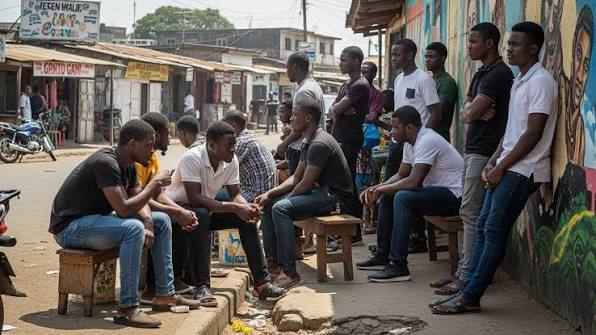
- Combined youth unemployment and underemployment affect more than 50% of young Ghanaians.
- Skilled graduates are increasingly forced into low-paying, informal roles below their qualifications
- Sustainable recovery depends on aligning higher education with market demand
Unemployment in Ghana has reached critical levels, establishing itself as one of the country’s most severe socio-economic challenges, with young citizens bearing the primary weight of the downturn. Thousands of university graduates join the labor market annually, only to encounter severe job scarcity and systemic underemployment.
According to data from the Ghana Statistical Service (GSS), national unemployment rates have hovered between 13% and 15% in recent years.

However, combined estimates of youth unemployment and underemployment affect over half of Ghana’s young population. Many classified as employed remain trapped in low-paying, informal positions that lack job security, fair wages, or career progression matching their academic qualifications.
Strategic Policy Over Campaign Rhetoric
While successive administrations have prioritized job creation during political campaigns, structural progress has lagged behind expectations. Addressing the deficit requires shifting away from short-term political measures toward sustainable economic strategies, including industrialization, robust support for small and medium-sized enterprises (SMEs), and enabling private-sector expansion.
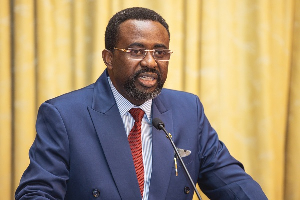
“Employment should not simply be measured by whether someone has a job, but by whether that job offers dignity, security, and opportunities for growth,” Anoon noted, warning that prolonged joblessness erodes public trust in higher education and drives brain drain through youth migration.

Framework for Economic Recovery
Unlocking Ghana’s labor potential demands targeted action across key sectors:
-
Industry & Academia Alignment: Reforming educational curricula to bridge skill gaps between university graduates and current labor market demands.
-
Entrepreneurial Ecosystems: Providing targeted financial and infrastructural support for startups and SMEs to boost private-sector hiring.
-
Mental Health & Social Cohesion: Recognizing the broader impact of chronic joblessness on youth self-esteem, family stability, and national security.
Mitigating the crisis requires a coordinated approach involving government policymakers, private enterprises, educational leaders, and civil society to build a resilient economy capable of absorbing Ghana’s skilled workforce.