Ghana Must Move from Raw Shea Exports to Value Addition — VP at SHEA 2026
Vice-President Jane Naana Opoku-Agyemang has called for increased processing and industrialisation in Ghana’s shea sector
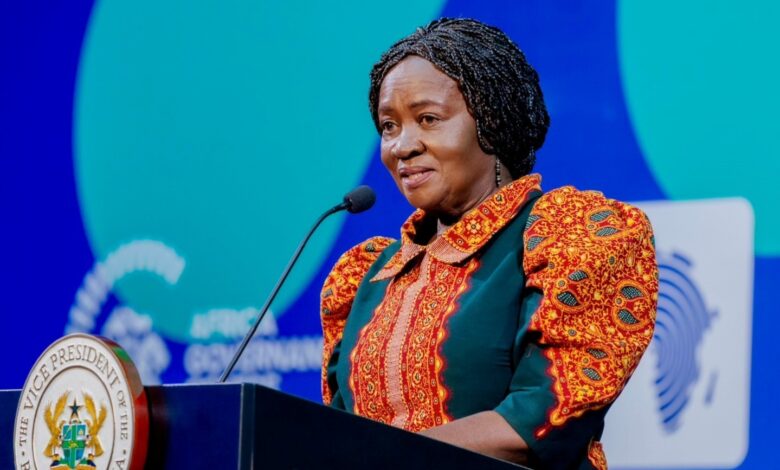
- VP Opoku-Agyemang has called for a shift from raw shea exports to value-added processing to boost Ghana’s economic gains
- She emphasized industrialisation, innovation, and market expansion as key drivers of growth in the shea sector
- She highlighted women’s central role in the industry and urged sustainability and inclusive development across the value chain
Vice-President Jane Naana Opoku-Agyemang has called for a strategic shift in Ghana’s shea industry from exporting raw nuts to producing high-value processed products, as the country seeks to fully benefit from rising global demand.
She made the call at the opening of SHEA 2026, organised by the Global Shea Alliance with support from the 24-Hour Economy and Accelerated Export Development Secretariat, where she emphasized industrialisation as a key driver of sustainable economic growth.
The Vice-President noted that since its establishment in 2011 by President John Dramani Mahama, the Alliance has grown into a major continental platform, with this year’s conference attracting stakeholders from 21 African countries, reflecting more than 15 years of collaboration in strengthening the shea sector.
She stressed that Ghana must deliberately pursue value addition in line with the government’s Reset Agenda, highlighting the shea sector as a vital livelihood source for hundreds of thousands of women, especially in the northern parts of the country.
“As global demand for shea continues to rise, Ghana must be deliberate in capturing greater value through processing, innovation, and expanded market access,” she stated.
Prof. Opoku-Agyemang further explained that the 24-hour economy policy would play a crucial role in boosting productivity, creating jobs, and strengthening the entire shea value chain.

She also called for stronger environmental protection measures, including safeguarding shea parklands, improving soil fertility, and supporting farmers in the savannah ecological zones.
On inclusivity, she emphasized the need to ensure that the benefits of the growing industry are fairly distributed, particularly to women who dominate the shea production chain.
She expressed optimism that discussions at SHEA 2026 would generate practical solutions and deepen partnerships to drive industrial growth, economic transformation, and Africa’s broader development agenda.