B&FT, Ecobank Empower Women Entrepreneurs at Women in Business Dialogue Series in Kumasi
The 3rd edition of the Women in Business Dialogue Series brought together entrepreneurs, financial institutions, and government officials to equip women-led SMEs with the tools, training, and funding needed for sustainable growth.
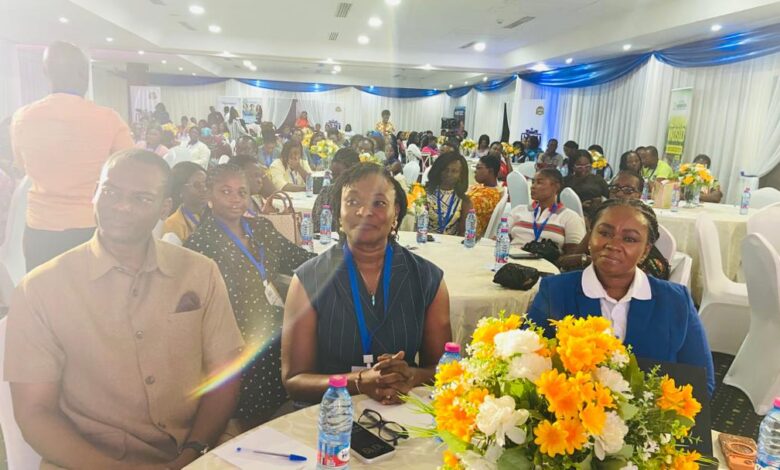
- B&FT and Ecobank held the 3rd Women in Business Dialogue in Kumasi
- Women entrepreneurs were trained on business growth and access to finance.
- Government pledged stronger support through the Women Development Bank.
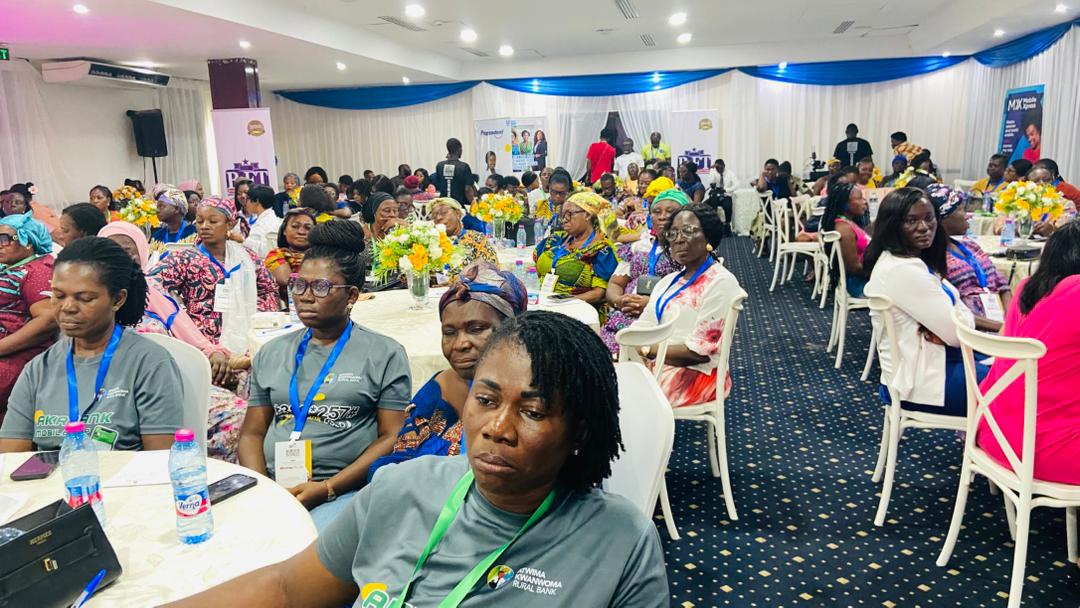
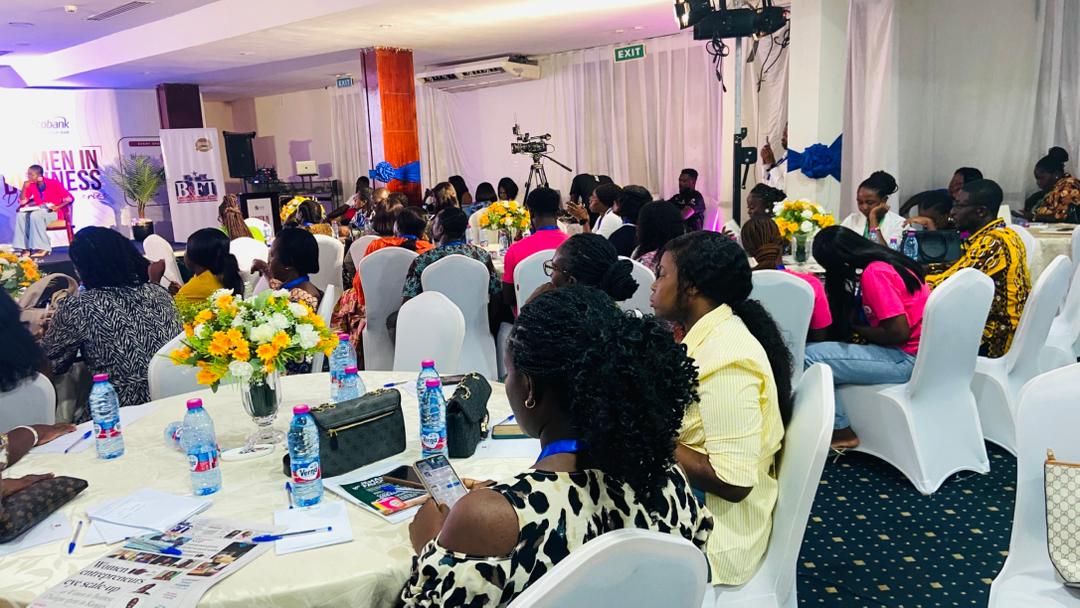
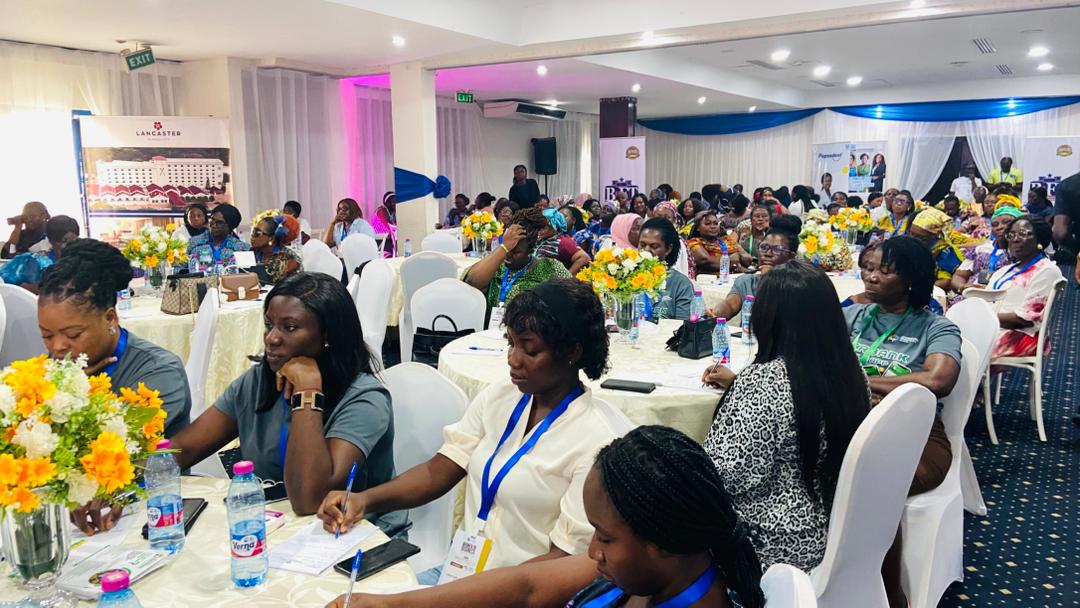
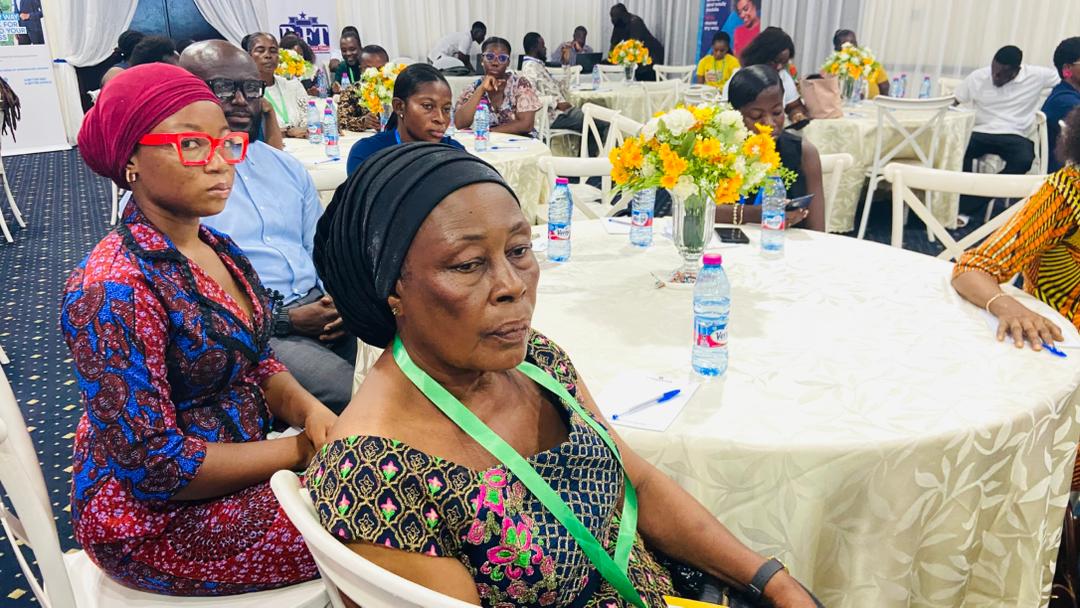
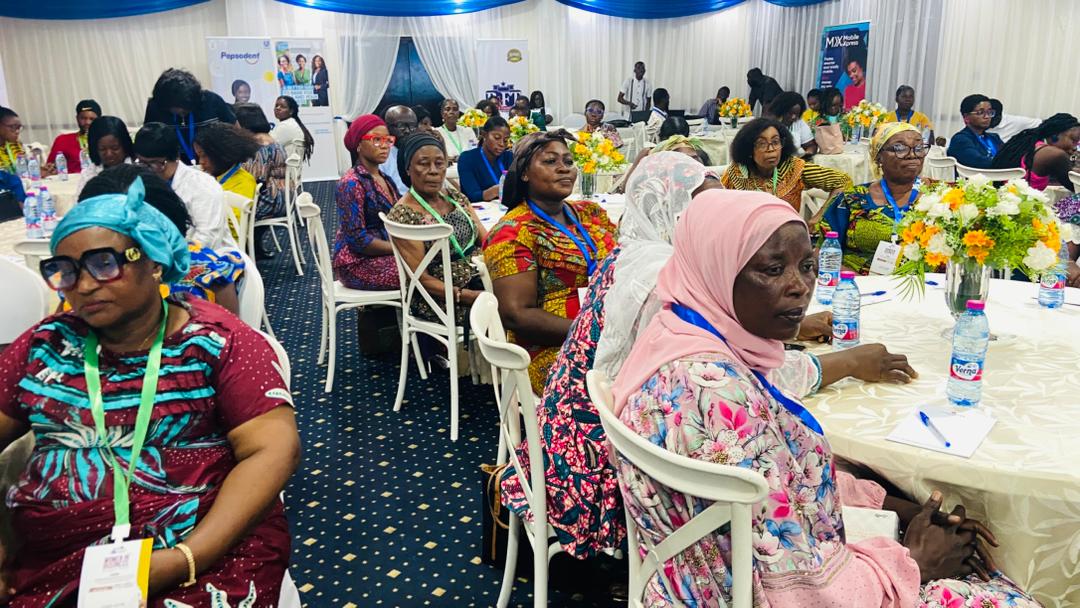
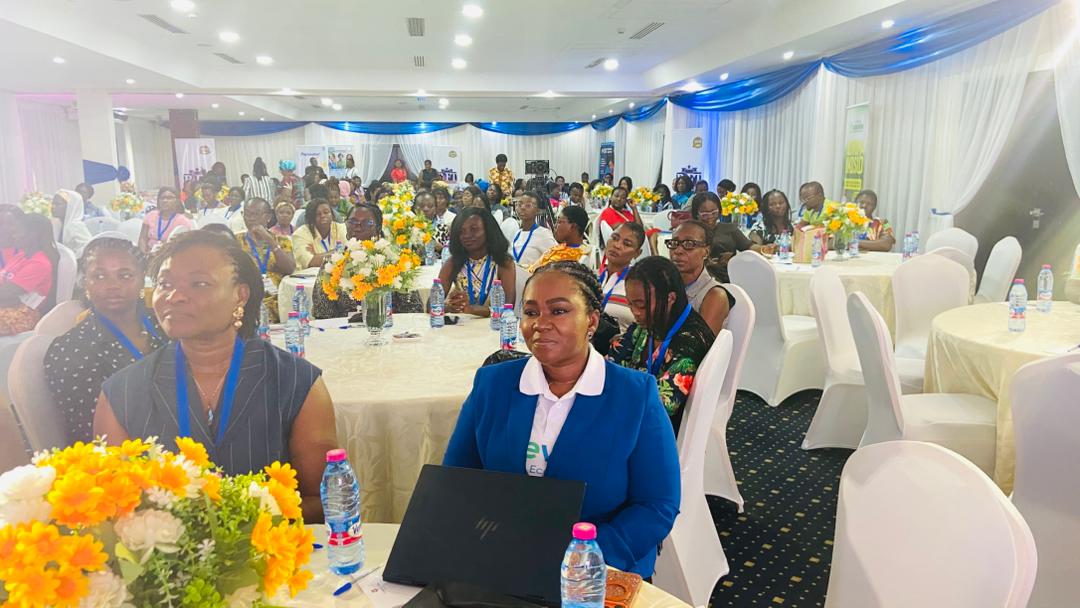
Women entrepreneurs, market leaders, agribusiness players, and small business owners in the Ashanti Region converged in Kumasi as the Business and Financial Times (B&FT), in partnership with Ecobank Ghana PLC, hosted the 3rd edition of the Women in Business (WIB) Dialogue Series.
The event was held under the powerful theme: “From Market-to-Market Leader: Empowering Women SMEs and Young Women in Agribusiness for Sustainable Growth.”
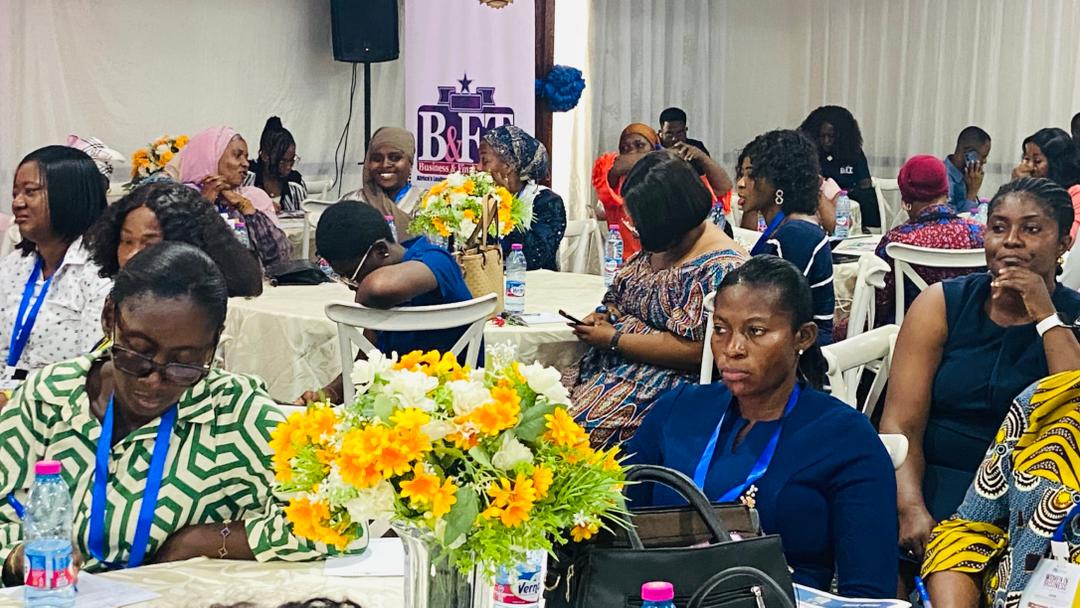
The event served as a major platform to equip women with practical business knowledge, financial literacy, networking opportunities and access to formal financing, while addressing the structural barriers that continue to hinder women-owned businesses from scaling up.
Speaking at the event, Chief Executive Officer (CEO) of B&FT, Dr. Godwin Acquaye, stressed the urgent need to support women-led SMEs, noting that small and medium enterprises form the backbone of Ghana’s economy.

“We all know that Business and Financial Times is a new superpower, and we don’t just do newspapers—we are impact-driven as well. SMEs account for about 90% of businesses in Ghana and contribute nearly 72% to GDP. Women also make up about 44% of this sector, so it is important and relevant for us to empower them to grow stronger and scale up,” he stated.
Dr. Acquaye revealed that Ghana currently faces an estimated $5 billion financing gap for SMEs, with many women entrepreneurs unable to access funding due to lack of collateral and poor business structuring.
He cited the example of a woman farmer he met in Tamale who could not secure financing because her assets—mainly livestock—were considered movable property and could not serve as bankable collateral.
“One of the major challenges is collateral. Women may have assets like livestock, but because they are movable, banks do not consider them strong enough for loans. This means they cannot access funding to scale their businesses,” he explained.
He emphasized that beyond funding, proper bookkeeping, receipts, and formal documentation are critical if women are to gain the trust of financial institutions.
“If your business is not structured, no bank will give you money because there is risk. Women must be able to show records, receipts, and business performance. That is what gives banks confidence to support them,” he added.
Also speaking in an interview, Regina Ofori, Head of Marketing and Brand for Ecobank Ghana PLC, reaffirmed Ecobank’s strong commitment to supporting women entrepreneurs, describing women as the backbone of the economy.
“At Ecobank, we have women at heart because women are truly the backbone of the economy. That is why we partnered with B&FT—to help impact knowledge and practical solutions for women in business,” she said.
She noted that while access to loans remains important, business success is not always about money alone.
“As a bank, yes, we have money to give as loans, but sometimes it is not just about money. Women need advice, training, mentorship and networking opportunities. These are equally important for business growth and personal development,” she stressed.
She encouraged participants to actively engage during the dialogue sessions by asking questions and seeking practical solutions to the challenges they face in their businesses.
Representing the Ashanti Regional Minister, Mr. Twum Samuel Nkansah, Deputy Director of the Ashanti Regional Coordinating Council, praised the immense contribution of women entrepreneurs to Ghana’s economy, particularly in agribusiness, commerce and trading.
“The work women do in Ghana significantly supports the economy of the nation. Their role in agribusiness, commerce, trading and medium-scale enterprises is helping national development tremendously,” he stated.
He highlighted government’s renewed commitment to supporting women entrepreneurs through the establishment of the Women Development Bank.
“In the 2025 Budget, the government led by President John Dramani Mahama announced the establishment of the Women Development Bank with seed money of GH¢51 million. In 2026, the allocation has been increased significantly to GH¢401 million,” he disclosed.
According to him, the initiative will improve women’s access to capital, strengthen business expansion and create more employment opportunities across the country.
“The bank will help women gain access to funds and capital to invest in their businesses. This will not only improve livelihoods but also create jobs, which is why forums like the Women in Business Dialogue Series are very crucial,” he added.
The Women in Business Dialogue Series has become one of Ghana’s premier platforms for fostering female entrepreneurship, especially in agribusiness and SME growth. The forum places market women, smallholder farmers, agro-processors, artisans and young women entrepreneurs at the center of Ghana’s agrifood transformation agenda.
Participants engaged in practical sessions focused on access to credit, bookkeeping, pricing strategies, value addition, digital commerce and cooperative business models—all aimed at helping women transition from survival-level operations to sustainable, scalable enterprises.
As conversations deepened and connections were formed, one message remained clear throughout the event: empowering women in business is not just about inclusion—it is about national economic transformation.