Minority Demands Full Disclosure of ‘Big Push’ Road Contracts
Call follows concerns over sole-sourced deals and alleged cost inflation in major road contracts
- Minority calls for full disclosure of Big Push road contracts
- Concerns raised over sole sourcing and cost inflation
- Government insists all contracts were lawful and properly approved
The Minority in Parliament has urged the government to publish comprehensive details of contracts awarded under its flagship road infrastructure programme, the “Big Push,” stressing the need for transparency and accountability.
The demand comes in the wake of a report by The Fourth Estate, which raised concerns about procurement practices, including the widespread use of sole sourcing and possible cost inflation in contract awards.
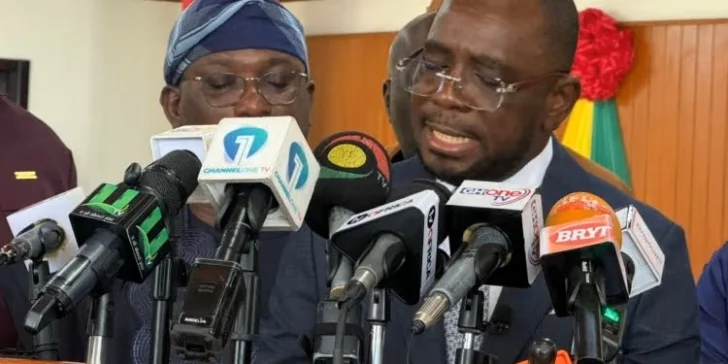
Speaking to the media on Tuesday, March 24, Kennedy Osei Nyarko, Ranking Member of Parliament’s Roads and Transportation Committee and MP for Akim Swedru, noted that while the Big Push initiative has the potential to improve national connectivity and unlock key economic corridors, recent disclosures have triggered public unease.
He emphasized that making full contract details public—including the names of contractors, scope of work, and cost per kilometre—would help rebuild public confidence and ensure accountability in the execution of the programme.
Nyarko stated that releasing the information would allow citizens to independently assess the initiative and promote transparency in infrastructure delivery.
According to The Fourth Estate, the Minister for Roads and Highways, Governs Kwame Agbodza, approved 81 sole-sourced contracts worth over GH¢73 billion within a seven-month period.

However, the Chief Executive Officer of Ghana GoldBod, Sammy Gyamfi, has defended the government’s approach, rejecting claims of wrongdoing or inflated costs.
In a statement issued the same day, he maintained that all contracts awarded through sole sourcing were lawful, had received approval from the Public Procurement Authority, and were subjected to value-for-money audits, insisting there was no evidence of irregularities.