Speaker Calls for Greater Use of Local Languages in Ghana’s Education System
Push aims to improve learning outcomes and strengthen cultural identity in basic schools
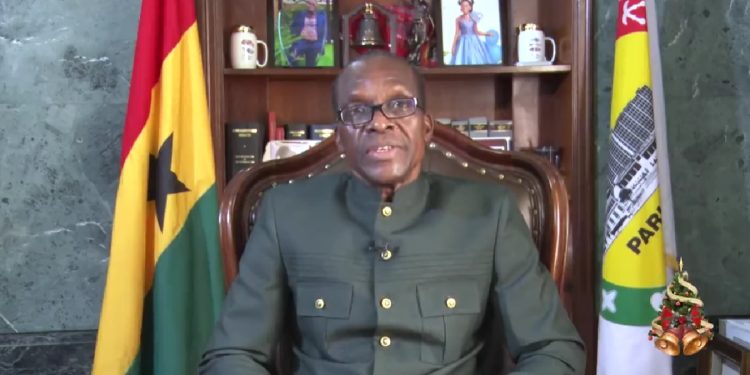
- The Speaker urged stronger use of Ghanaian languages in early education to improve understanding and literacy.
- He argued that mother-tongue instruction can reduce dropout rates and boost confidence among pupils.
- He called for policy review, teacher training, and better learning materials to support implementation.
The Speaker of Parliament has called for a stronger integration of Ghanaian local languages into the country’s education system, arguing that it is essential for improving learning outcomes and preserving cultural identity.
He made the appeal during a public engagement on education reform, stressing that many pupils struggle academically because early instruction is heavily dominated by English, which is not the first language of most children.
According to him, using local languages at the foundational level helps children better understand concepts, builds confidence in learning, and reduces dropout rates in basic schools.
He noted that Ghana’s linguistic diversity should be seen as an asset rather than a barrier, adding that languages such as Twi, Ga, Ewe, Dagbani, and others can play a stronger role in classroom instruction, especially in the early years.
The Speaker also urged policymakers, the Ghana Education Service, and stakeholders in the education sector to revisit existing language-in-education policies to ensure more practical implementation rather than just theoretical support.
He emphasized that countries that have successfully improved literacy and educational performance often begin instruction in learners’ mother tongues before transitioning to international languages.

He further called for investment in teaching materials, teacher training, and curriculum development in local languages to make the policy effective.
The Speaker concluded that strengthening local language education would not only improve academic performance but also help preserve Ghana’s cultural heritage for future generations.