Jihadists Burn Dozens of Vehicles as Bamako Blockade Deepens Ahead of Eid
Armed jihadist fighters intensified their blockade of Bamako by burning vehicles and disrupting supply routes, worsening shortages ahead of Eid al-Adha.
- Jihadists tighten blockade around Bamako ahead of Eid.
- Dozens of vehicles burnt on roads leading to Mali’s capital.
- Fuel shortages worsen as attacks disrupt transport routes.
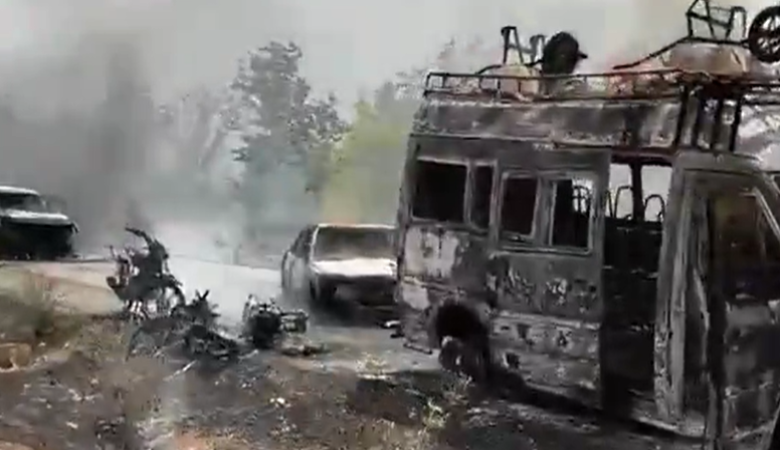
Dozens of vehicles, including fuel tankers, trucks and minibuses, have been set ablaze near Mali’s capital, Bamako, as jihadist fighters intensify a blockade of the city ahead of the Eid al-Adha celebrations.
Verified videos circulating online showed charred remains of vehicles along a major highway about 45 kilometres west of Bamako. Reports indicate that passengers and drivers were ordered to leave the vehicles before they were set on fire, with no casualties immediately reported.

The attacks have been linked to Jama’at Nusrat al-Islam wal-Muslimin (JNIM), an al-Qaeda-affiliated militant group that imposed a fuel blockade on Bamako last year and tightened restrictions following attacks on the city in recent weeks.
Mali, a landlocked country, relies heavily on fuel transported from neighbouring coastal nations such as Senegal and Ivory Coast, making the blockade a major threat to supplies and economic activity.
Since last year, militants have reportedly burned more than 100 fuel trucks and kidnapped drivers along key highways, although some convoys have managed to reach Bamako under military escort.

The worsening blockade has triggered shortages and rising prices of goods ahead of Eid al-Adha, one of the most important festivals in the Muslim calendar.
Residents have complained about soaring prices of food and basic commodities, while livestock traders say transporting sheep and cattle into the capital has become increasingly dangerous due to attacks by armed groups.
Many families are now struggling to afford animals traditionally slaughtered during the Eid celebrations.
Mali’s military government, led by General Assimi Goïta, has been battling insurgent groups since taking power in a coup in 2020.
The authorities have relied on support from the Russian-backed Africa Corps, formerly linked to the Wagner Group, to combat jihadist activity and secure supply routes into the capital.
Despite military escorts and ongoing security operations, attacks on transport convoys have continued, raising concerns about the effectiveness of efforts to restore stability and protect economic activity in the country.