IMF to Wrap Up Ghana Final Programme Review on May 15
IMF mission wraps up sixth and final review of Ghana’s $3 billion programme amid progress in fiscal and banking reforms
- IMF final review of Ghana’s programme expected to end on May 15.
- Assessment focuses on fiscal reforms, energy sector issues, and banking challenges.
- Outcome will determine Ghana’s access to final IMF support tranche.
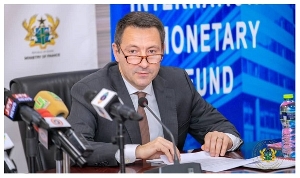
A visiting team from the International Monetary Fund (International Monetary Fund) is expected to wrap up its final review of Ghana’s Extended Credit Facility programme on Friday, May 15, 2026.
According to sources familiar with the engagement, the IMF mission—led by Ruben Atoyan—has been in Ghana since April 29 for the sixth and final review under the ongoing programme. Discussions with government officials are said to be progressing smoothly and largely in line with expectations.
However, some concerns remain, particularly within the energy sector, where issues around financing, restructuring, and fiscal pressures continue to feature prominently.
In the financial sector, the IMF has reportedly expressed satisfaction with reforms involving state-owned banks, although outstanding issues linked to a private commercial bank are still unresolved.
It remains unclear whether the mission will impose additional prior actions before concluding its work and submitting its report for Board consideration in August.
The assessment covers Ghana’s overall performance since the fifth review, including progress on delayed structural reforms and fiscal targets.

Key attention is being given to the energy sector, especially debt management and ongoing structural reforms, as well as government spending priorities such as social protection allocations.
A major part of the discussions also centres on prior actions required to unlock the final tranche of IMF support, which is crucial for completing the programme successfully.
Finance Minister Cassiel Ato Forson described Ghana’s recovery journey under the programme as “transformative,” crediting it with stabilising the economy, restoring confidence, and rebuilding credibility after the 2022 crisis.
He noted that while progress has been achieved, the government remains focused on sustaining recovery and driving growth through private sector expansion and job creation.
Ghana’s 36-month Extended Credit Facility, approved in May 2023, is valued at about US$3 billion.
The IMF’s latest assessment indicates broadly satisfactory performance, with reforms beginning to yield results despite earlier delays.
The country’s reserves have strengthened significantly, inflation is projected to fall to around 7.9% in 2026, and economic growth is expected to remain steady at about 4.8%, slightly above the Sub-Saharan African average.
The final review is expected to determine whether Ghana meets all remaining conditions needed to access the last tranche of funding and fully complete the programme.