African Fans Face Travel Barriers Despite U-Turn on World Cup Visa Bonds
Some supporters get relief on visa deposits, but strict entry rules, costs and restrictions still threaten attendance.
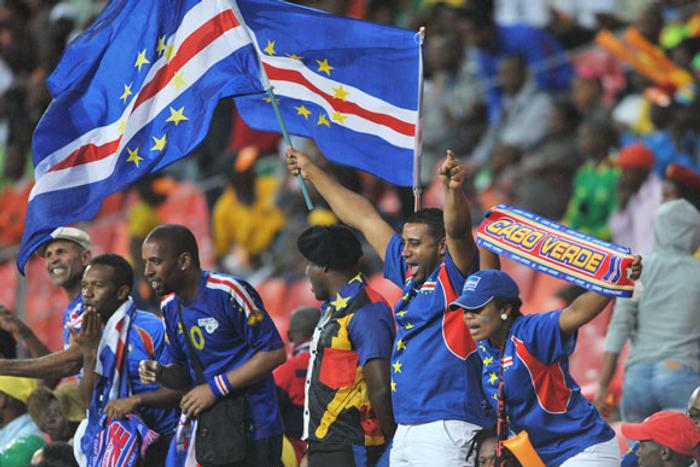
- Visa bond requirement waived for ticket holders from five African countries under conditions.
- Travel bans and strict entry rules still affect fans from countries like Senegal and Ivory Coast.
- High travel and ticket costs remain major barriers for African supporters.
African fans hoping to travel to the United States for the 2026 FIFA World Cup have received partial relief after a controversial visa bond requirement was eased, but significant barriers still remain for many supporters across the continent.
The Trump administration confirmed that ticket-holding fans from Algeria, Cape Verde, Ivory Coast, Senegal and Tunisia will no longer be required to pay visa bonds that previously ranged from $5,000 to $15,000.

The decision affects five African countries among a wider list of 50 nations originally included in the visa bond policy, which was introduced as part of efforts to reduce visa overstays under stricter immigration measures.
However, the exemption applies only to supporters who purchased official match tickets and registered through FIFA’s online visa facilitation system within the required deadline.
According to U.S. officials, only fans who opted into the FIFA Pass system by April 15 qualify for the waiver, limiting how many supporters can benefit from the policy change.

Despite the adjustment, major challenges remain for African fans planning to attend the tournament, which will be hosted across the United States, Canada and Mexico from June 11 to July 19, 2026.

The competition schedule means many supporters will need to travel across multiple countries during the group stages, adding further visa and logistical complications.
Fans from countries such as Ghana, Egypt, Ivory Coast and Senegal will still require separate visas to enter Canada for matches in cities like Toronto and Vancouver, while others will need Mexican entry permits for games staged there.
In addition, some travel restrictions remain in place for Ivory Coast and Senegal under broader U.S. immigration rules, affecting fans who did not secure visas earlier.
There are also reports that some applicants from Ghana have already been denied U.S. entry visas, raising further concerns about accessibility for African supporters.
Beyond visa issues, the cost of attending the tournament remains a major obstacle. Flights, accommodation, and internal travel across three host countries are expected to be expensive.
Ticket prices are also high, with limited lower-cost options available and resale markets showing significantly inflated prices for key matches.
Authorities have also indicated that additional entry screening measures, including potential social media checks, could affect some travellers applying for visas.
Rights groups have warned that such policies could lead to increased refusals, heightened scrutiny, and additional barriers for fans from certain regions.
While a record 10 African teams will compete in the tournament, many supporters may find it difficult to experience the event in person due to financial, logistical, and immigration challenges.