Parliament Approves the 2026 Ghana Cocoa Board Bill
Reforming Ghana’s Cocoa Sector for Sustainable Growth and Global Competitiveness
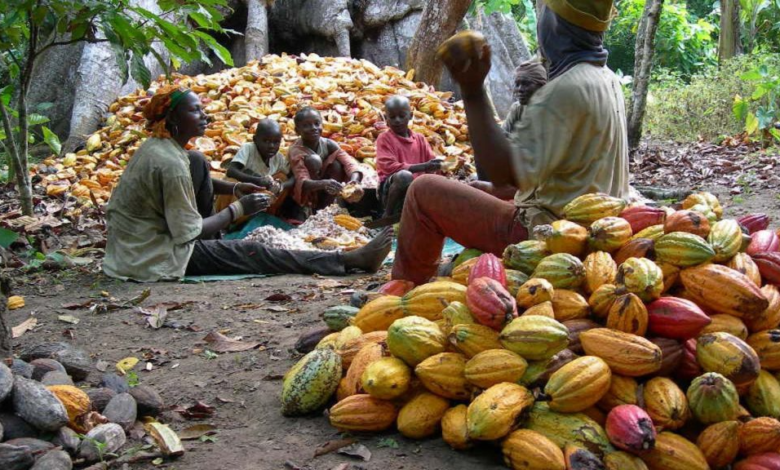
- Modern legal framework replaces the 1984 Act, promoting transparency and efficiency.
- Introduction of stricter penalties against cocoa smuggling and illegal mining activities.
- Focus on increasing farmers’ earnings through transparent pricing and value addition initiatives.
Ghana’s Parliament has officially passed the groundbreaking Ghana Cocoa Board Bill, 2026, ushering in comprehensive legal and structural reforms to the nation’s vital cocoa industry.
This legislation repeals the outdated Ghana Cocoa Board Act, 1984 (PNDCL 81), replacing it with a modern, forward-looking legal framework designed to revitalize the sector.

The new law aims to improve regulatory transparency, reduce corruption, streamline supply chain operations, and increase financial returns for smallholder farmers across Ghana.
The bill was debated and scrutinized extensively on the floor of Parliament, passing through clause-by-clause review and concluding with the third reading.
A Historic Shift for COCOBOD

The passage marks a significant turning point for COCOBOD, transitioning from a legacy of military-era decrees to a corporate-governance-driven organization. This overhaul responds to recent economic challenges in the global cocoa market, such as climate impacts, cross-border smuggling, fluctuating farm-gate prices, and management issues that have affected the sector over the years.
Central to the new legislation is the enforcement of fiscal discipline and stronger oversight within COCOBOD. The law also addresses concerns over high operational costs and the management of the country’s cocoa syndicated loan facility.
Under the new framework, COCOBOD is mandated to submit regular, audited financial reports to Parliament. An independent oversight committee will be established to supervise the distribution of critical agricultural inputs like fertilizers, seedlings, and equipment, thereby reducing political influence and supply chain leakages.
Key Highlights of the 2026 Act
Farmer Welfare: The law introduces a transparent, data-driven approach to setting the annual farm-gate price, ensuring farmers receive a fairer share of global cocoa revenues.
Combating Smuggling and Illegal Mining: Stricter penalties, including custodial sentences, are introduced for individuals caught smuggling cocoa beans or engaging in illegal mining activities that damage cocoa farms.
Value-Addition Drive: The legislation offers targeted tax incentives and regulatory pathways to promote domestic cocoa processing, shifting Ghana’s focus from exporting raw beans to producing higher-value finished products.
Bipartisan Support and Future StepsThe bill received strong support from both the Majority and Minority parties, united in recognizing the importance of safeguarding Ghana’s agricultural heritage.
Lawmakers emphasized that, while the 1984 framework served its purpose, it lacked the flexibility needed to meet modern trade standards and environmental regulations, such as the EU’s anti-deforestation policies.
Following approval, the bill will be forwarded to the President for assent. Once signed into law, the Ministry of Food and Agriculture, Ministry of Finance, and COCOBOD will publish operational guidelines to facilitate immediate implementation.