Ghana Has At Least 6 Weeks of Fuel Cover – NPA Boss Assures
NPA CEO Godwin Edudzi Tamakloe says existing stocks and incoming fuel cargoes are sufficient to meet Ghana’s needs despite global supply concerns.
- Ghana has at least six weeks of fuel cover.
- NPA says supply shortages are not expected within a month.
- Price pressures remain the authority’s major concern.
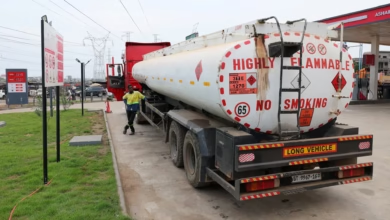
The National Petroleum Authority (NPA) says Ghana has at least six weeks of fuel cover, allaying concerns over a possible shortage amid tightening global petroleum supplies.
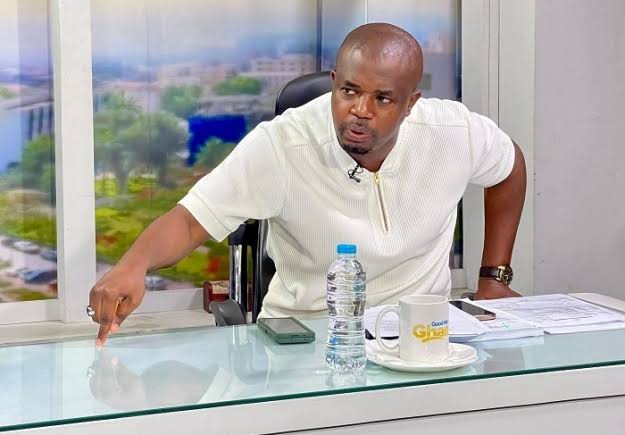
NPA Chief Executive Officer, Godwin Edudzi Tamakloe, said existing fuel stocks, together with petroleum cargoes currently at sea, provide a sufficient buffer for the domestic market.
“Currently, we have not less than six weeks of cover. Not less,” he said on Joy News’ PM Express Business Edition on Thursday.
He explained that several vessels carrying petroleum products are currently on the high seas and are expected to further strengthen Ghana’s supply position.
Mr Tamakloe said the immediate concern was not fuel availability but the potential impact of international market conditions on prices.
“No, my major concern now is price,” he stated.

Asked whether Ghana could experience fuel supply challenges within the next month, the NPA boss responded emphatically: “Not at all.”
He also pointed to the growing role of Nigeria’s Dangote Refinery as another factor that could support fuel supply in the sub-region.
His comments come amid concerns over global supply disruptions linked to conflicts and tighter availability of petroleum products.
The International Energy Agency has warned of a significant reduction in global oil supply in 2026, while refined fuel inventories have also come under pressure.
Meanwhile, Ghana’s fuel price floors were increased from September 16, with petrol set at GH¢16 per litre and diesel at GH¢16.77 per litre. LPG was also set at GH¢10.97 per kilogramme.
BOSTenergies has separately clarified that reduced fuel exports to Burkina Faso and Mali do not signal an imminent shortage in Ghana, attributing the reduction largely to revamp works at its Bolgatanga depot.
Mr Tamakloe also defended Ghana’s private-sector-led downstream petroleum system, saying safeguards had been introduced to prevent private operators from exerting excessive pressure on the government or holding the country to ransom.