Transparency International and GIPC Train Journalists on Ghana’s Investment Regime
Programme aims to improve transparency, accountability and media reporting on investment and business regulations in Ghana.
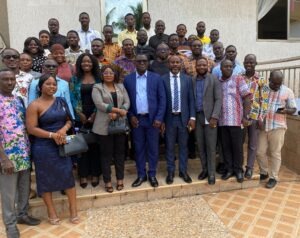
- About 40 journalists received training on Ghana’s investment framework.
- The programme focused on transparency and accountability.
- GIPC urged businesses to comply with registration laws.
Transparency International Ghana, in collaboration with Ghana Investment Promotion Centre (GIPC), has trained about 40 journalists to strengthen transparency and improve media reporting on Ghana’s investment regime.
The initiative was organised in response to research findings that showed many Ghanaians have limited understanding of how the government attracts, regulates and manages investments in the country.

Speaking during the programme, Benedict Doh of Transparency International Ghana, who also served as the Lead Coordinator, said the training aimed to equip journalists with the technical knowledge needed to produce accurate, balanced and accountable reports on investment-related issues.
According to him, transparency and accountability remain critical elements in the type of investments Ghana seeks to attract.
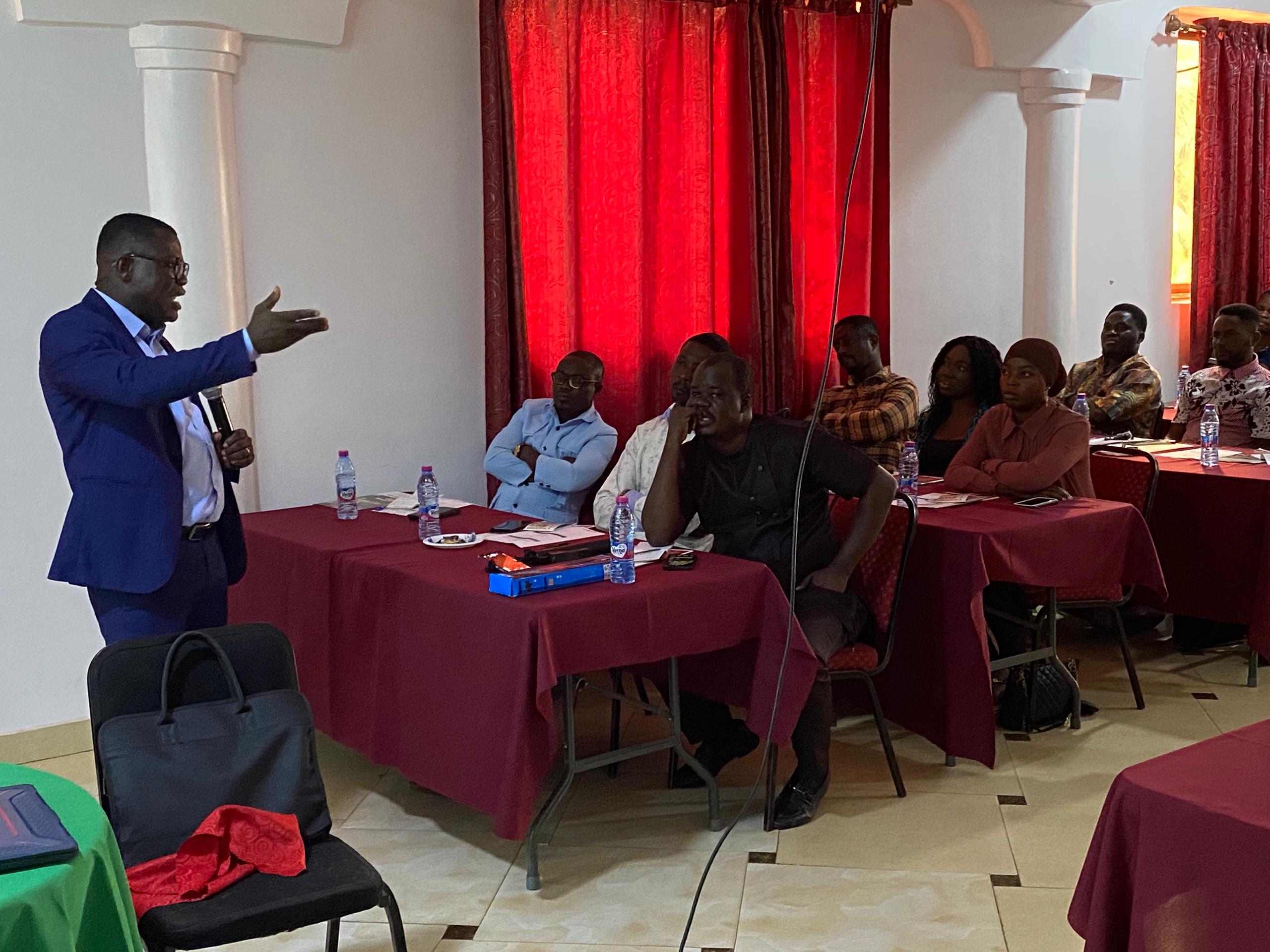

“Our research revealed low public understanding of the mechanisms government uses to attract investments into the country. One of the key components of this project is to train journalists to better understand Ghana’s investment regime and report effectively on it,” he stated.
The training provided participants with detailed insights into Ghana’s investment framework, including business registration procedures, capital requirements for foreign investors and regulations governing foreign direct investment.
Officials from the GIPC also guided journalists through provisions of the GIPC Act, explaining the legal framework that governs investments and protects both investors and the state.
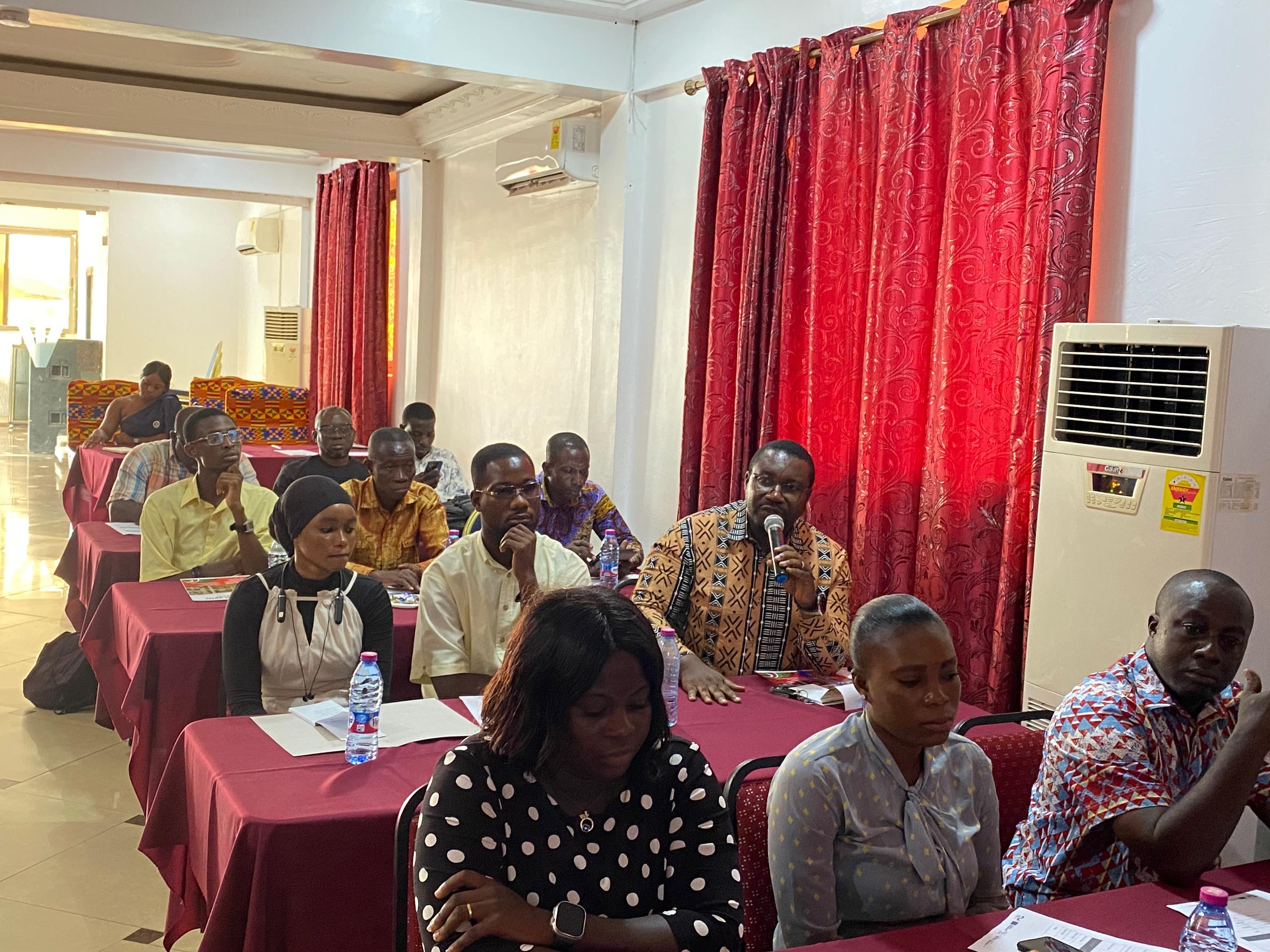
The workshop sparked extensive discussions among participants, particularly on the legal and economic implications of various sections of the Act and how the media can play a stronger role in promoting transparency and public accountability.
Mr Doh noted that organisers hope the programme will help create a more informed media landscape capable of scrutinising investment deals and educating the public on their impact on national development.
Meanwhile, the Deputy Director and Ashanti Regional Head of the GIPC, Michael Otchere, said the institution remains committed to helping businesses comply with investment and registration laws before taking enforcement actions against offenders.
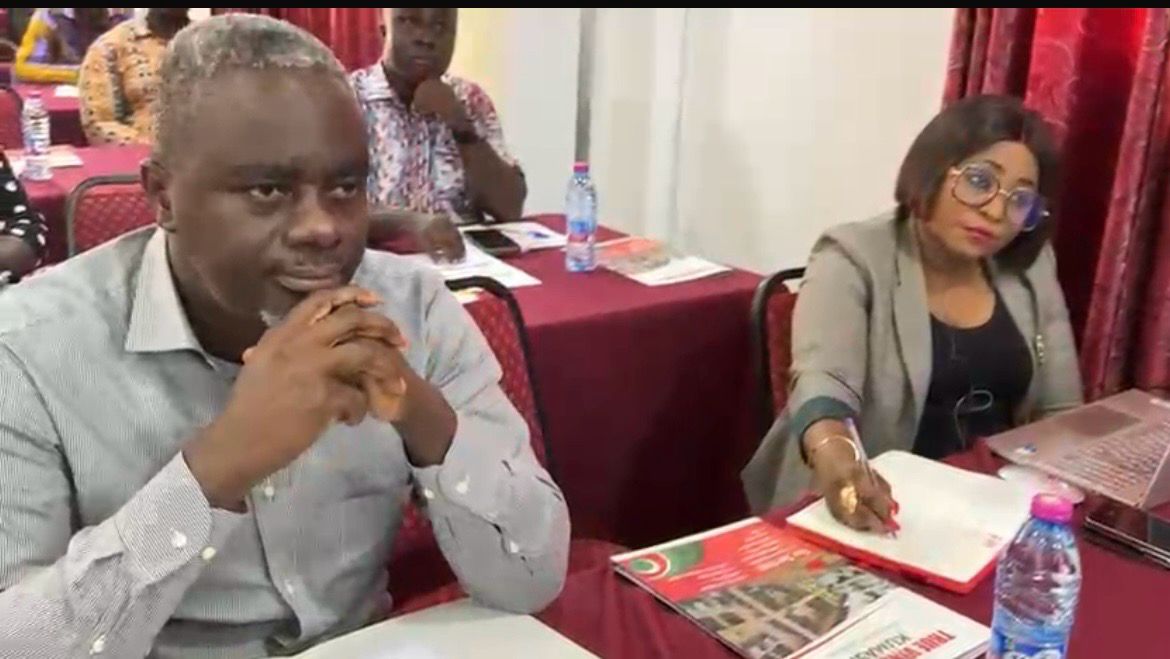
He explained that the GIPC’s first approach when dealing with unregistered or illegal business operations is education and sensitisation, especially for small business owners who may lack adequate information about regulatory requirements.
“Our first step is always education. When we discover that a business is not properly registered or is operating illegally, we first educate the operators on the right procedures,” he said.
However, Mr Otchere warned that businesses that continue to ignore the law after receiving guidance would be reported to the appropriate authorities for prosecution.
He encouraged entrepreneurs, particularly in the Ashanti Region, to take advantage of ongoing sensitisation programmes and ensure their businesses are properly registered to avoid legal sanctions.