“Produce Evidence In 48 Hours Or Stop Hiding Behind National Security” – Annoh-Dompreh Fires Back At Bono Minister
Minority Chief Whip challenges Bono Regional Minister to substantiate cocoa smuggling allegations amid rising tensions over Ghana’s cocoa sector.
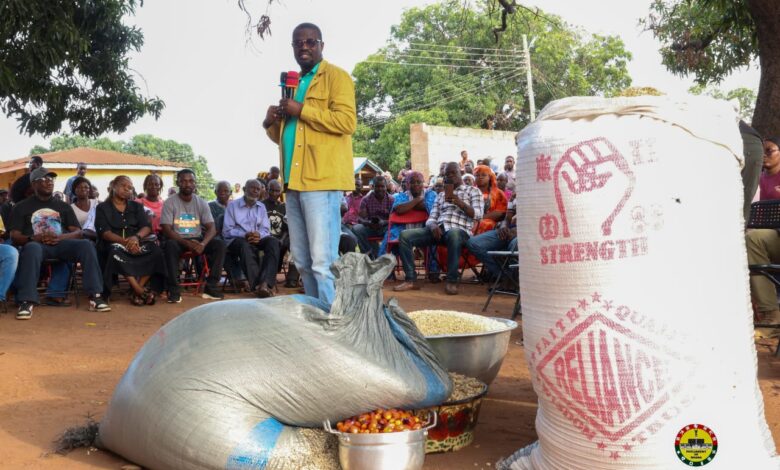
- Annoh-Dompreh has given the Bono Minister 48 hours to prove or retract cocoa smuggling allegations.
- He denies the claims, calling them political and linked to his farmers’ advocacy tour.
- The row reflects rising tensions over challenges in Ghana’s cocoa sector.
A fresh political confrontation has erupted in the cocoa sector as the Minority Chief Whip and Member of Parliament for Nsawam-Adoagyiri, Frank Annoh-Dompreh, has issued a 48-hour ultimatum to the Bono Regional Minister, Joseph Addae Akwaboa, demanding evidence to substantiate allegations linking him and the Minority Caucus to cocoa smuggling activities.
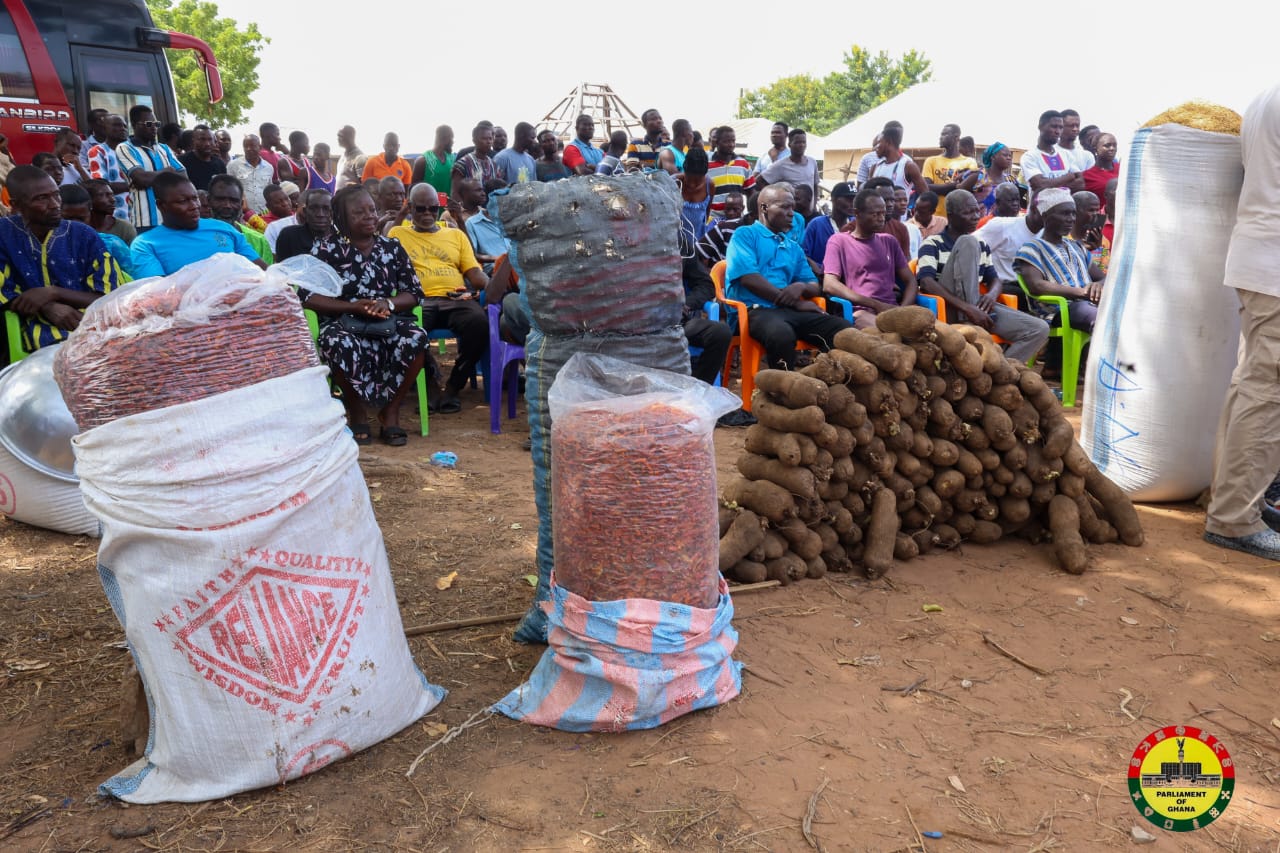
The dispute follows claims by the Regional Minister that Mr. Annoh-Dompreh’s nationwide tour of cocoa-growing communities was part of a scheme to encourage licensed buying companies and purchasing clerks to divert government funds and smuggle cocoa from Côte d’Ivoire into Ghana.
The Minister alleged that intelligence gathered during his regional tour pointed to a coordinated effort to undermine government operations, leading to arrests and the seizure of over 100 bags of cocoa.
However, Mr. Annoh-Dompreh has strongly rejected the allegations, describing them as baseless and politically motivated.


He challenged the Minister to provide concrete proof within 48 hours or retract the claims, insisting that “he who alleges must prove.”
He further accused the government of attempting to use national security as a tool of intimidation against him, following reports that security agencies had been tasked to investigate his activities during recent tours in cocoa-producing regions, including Ashanti, Eastern, Ahafo, Bono, and Bono East.
The Minority Chief Whip maintained that the ongoing tour is aimed solely at amplifying the voices of struggling farmers, who he says are grappling with delayed payments, reduced producer prices, and a lack of ready markets—not only in cocoa but also in maize, cashew, yam, and other crops.
According to him, the government’s inability to pay farmers despite cutting cocoa prices marks an unprecedented development in the sector’s history.
The broader background to the dispute reveals growing tensions between government officials and the opposition over the state of the cocoa industry.
Across regions visited by the Minority, farmers and traditional leaders have consistently complained about financial hardship, unpaid produce, and declining confidence in the sector.
The tour, which has gained significant public attention, has also drawn sharp criticism from some government officials who view it as politically charged.
Mr. Annoh-Dompreh insists that the Minister’s reaction is a sign of discomfort with the realities being exposed by the tour. He urged the Minister to focus on addressing the real challenges facing farmers rather than making what he described as “unnecessary and unfounded allegations.”
He also called on authorities to act decisively against any proven cases of smuggling but cautioned against politicising criminal activity.
However, as the standoff escalates, the Minority has vowed not to retreat, maintaining that its campaign is rooted in defending the livelihoods of farmers and holding government accountable.