NORSAAC, Oxfam and MFWA Launch Youth Media Advocacy Platform on Property Tax
Stakeholders push for transparency, youth inclusion, and improved property rate compliance to drive local development in Ghana.
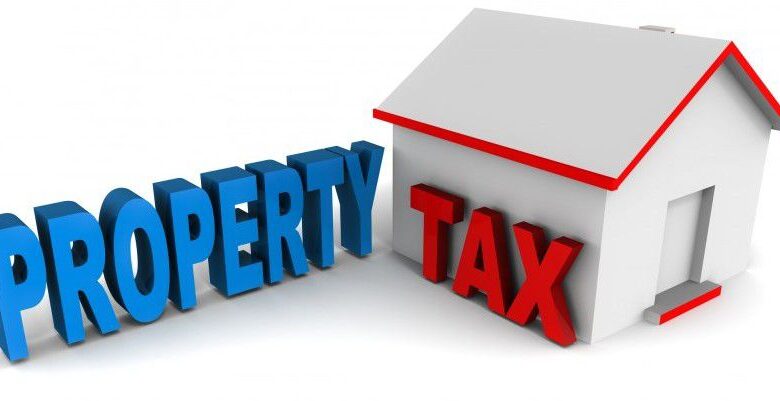
- NORSAAC, Oxfam, MFWA Launch Youth Media Platform to Boost Property Tax Compliance
- Youth Advocacy Drive Targets Low Property Rate Collection and Revenue Gaps in Ghana
- New Campaign Seeks to Build Tax Culture and Promote Transparency in Local Governance
A new chapter in Ghana’s local governance and revenue mobilization efforts has begun as NORSAAC, Oxfam, and the Media Foundation for West Africa (MFWA) officially launched a Youth Media Advocacy Platform on Property Tax.
The initiative seeks to harness the power of youth and media to demystify property rate collection, improve compliance, and promote accountability in how tax revenues are utilized across Metropolitan, Municipal, and District Assemblies (MMDAs).
The launch was held virtually on April 2, 2026.
In her opening remarks, Programs Officer for NORSAAC, Salima Abdulai, underscored the urgency of strengthening local revenue systems through youth-driven advocacy.
Salima Abdulai noted that property rate collection remains one of the most underutilized yet critical sources of funding for local development.


She emphasized that empowering young people through media platforms will not only amplify public education but also build a new generation that understands governance, accountability, and civic responsibility. According to him, the initiative is designed to bridge the gap between citizens and local authorities, ensuring that people appreciate the direct impact of property tax on their daily lives.
Delivering a detailed statement during the virtual launch, Nii Addo, Executive Director of Green Tax Youth Africa, traced the roots of property tax administration in Ghana to the pre-independence era. Known locally as “Ntokua toɔ” or window tax, the system was based on the number of windows in a building—an early attempt to link tax obligations to property value.
He explained that after independence, reforms supported by the United Nations introduced a more structured system, where properties were assessed at 10% of their replacement cost, aligning taxation with real estate value.
Legal Framework and Methodology
In his presentation, Nii Addo said property rate collection in Ghana is backed by legislation, notably the Local Government Act, 1993 (Act 462) and the Local Governance Act, 2016 (Act 936), which empower MMDAs to assess and collect property rates.
He added that the study underpinning the campaign adopted a mixed-methods approach, combining quantitative data such as property rate budgets and Ghana Revenue Authority (GRA) records—with qualitative insights from interviews, focus groups, and community discussions across different socioeconomic groups.
Key Findings: Revenue Trends and Challenges
According to him, the findings revealed significant disparities in property classifications and revenue performance:
-
1st Class Properties (3,423): High-value properties in prime locations
-
2nd Class Properties (5,288): Majority residential properties
-
3rd Class Properties (1,043): Lower-value properties with collection challenges
-
Commercial Properties (1,578): Major contributors, including banks and hotels
-
Mixed-Use Properties (1,320): Combined residential and commercial use
He noted that a major highlight was the sharp decline in revenue collection in 2023, attributed to the centralization of collection under the GRA. However, he added that 2024 recorded a recovery, particularly when local assemblies regained control.
-
Kwadaso led the recovery with a remarkable 251.7% increase
-
Obuasi and Ga West showed partial but steady improvement
The study concluded that local administration consistently outperformed centralized systems, reinforcing the need for decentralization in revenue mobilization.
Youth, Gender, and Equity Concerns
The report also shed light on critical social dimensions:
-
Youth exclusion from decision-making processes
-
Women’s financial burdens, especially among widows and single mothers
-
Marginalized communities paying high bills but receiving limited services
Policy Recommendations
To address these challenges, Nii Addo advocates:
-
Strengthening MMDA-led property rate administration
-
Digitizing property databases for accuracy
-
Enhancing transparency in revenue usage
-
Providing flexible payment options for vulnerable groups
-
Linking tax collection to visible community projects
Speaking at the launch, Archibald Adams, Communication Manager at Oxfam, expressed excitement about supporting the campaign, stressing that property rate collection is vital for national development.
He noted that public resistance to paying taxes often stems from a lack of understanding and trust.
“People don’t want to pay tax, and we must use our media platforms to explain why property rates are important and how the funds are used,” he stated.
Mr. Adams emphasized the need for a strong advocacy drive that highlights real development projects funded through property rates, builds trust, and fosters a culture of tax compliance—especially among young people.
He further indicated that social media platforms would play a central role in the campaign, helping to reach wider audiences and reshape public perception about taxation.
The launch of the Media Youth Advocacy Platform marks a strategic shift toward citizen-centered revenue mobilization, where transparency, education, and youth engagement take center stage.