Ghana Targets Tenfold Poultry Production Surge to Cut Imports
MoFA-led consultations reveal need for massive scale-up to reduce frozen chicken imports and boost local jobs
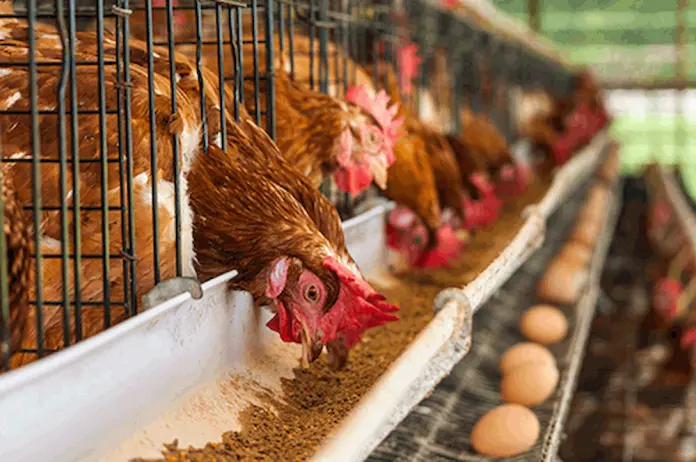
- Poultry output must increase tenfold to reduce imports.
- MoFA developing a Poultry Sector Master Plan with stakeholders.
- Focus on jobs, investment, and food security.
Ghana will need to increase domestic poultry production by ten times its current output to meet national demand and significantly reduce reliance on frozen chicken imports, which presently account for up to 95 per cent of the local market, industry experts have said.
This assessment was made on Monday, February 9, 2026, during stakeholder consultation sessions organised by the Animal Production Directorate of the Ministry of Food and Agriculture (MoFA) as part of efforts to develop a Poultry Sector Master Plan for the country.
Speaking at the Middle Belt consultation, Abraham Sarfo, Agribusiness and Value Chain Specialist at Agri Impact Limited, noted that although the sector has recorded modest gains in recent years, current production levels remain far below national consumption needs. Annual demand for poultry meat, he said, is estimated at between 300,000 and 460,000 metric tonnes.
According to Sarfo, domestic supply is unable to keep pace with rising demand, making a tenfold increase in production necessary to close the gap and curb import dependence. He added that Ghana’s heavy reliance on imported frozen chicken has exposed deep structural weaknesses across the poultry value chain, including production systems, feed supply, processing capacity, and marketing networks.
The Poultry Sector Master Plan, he explained, is intended to address these challenges holistically and lay out a clear pathway toward competitiveness and self-sufficiency.
The consultations, conducted under the Mastercard Foundation’s Harnessing Agricultural Productivity and Prosperity for Youth (HAPPY) Programme, brought together stakeholders from the Northern Sector, Middle Belt, and Southern Sector. Participants validated baseline data, examined productivity constraints, and identified key policy, infrastructure, and investment priorities.

MoFA’s Animal Production Directorate has engaged a consultant in partnership with Agri Impact Limited and the HAPPY Programme to develop the master plan. The document is expected to unlock growth opportunities, attract investment, and create jobs—particularly for young people, women, and persons with disabilities.
While acknowledging gradual increases in investment within the broiler industry, including new feed mills, improved feed formulations, and emerging processing plants, Sarfo stressed the need for greater investment in technology and innovation to enable sustainable scaling of production. He commended the Ghana EXIM Bank for prioritising poultry, rice, garments, and textiles as strategic sectors and called for stronger, more coordinated poultry associations to drive research, advocacy, and policy engagement.
Providing further insight, Prince Manu Yeboah, Business Development and Research Manager at Agri Impact, highlighted achievements under the HAPPY Programme between December 2023 and December 2025. During the period, the programme supported the production of 4.6 million poultry birds, generated approximately US$25.2 million in revenue, and created about 8,000 jobs for young people. Broiler meat production alone reached around 7,500 metric tonnes, underscoring the sector’s employment and revenue potential.
For his part, Dennis Owusu Adjei, Deputy Director in charge of Breeding at MoFA, expressed confidence that inputs from stakeholders would provide a strong foundation for boosting local poultry production and enhancing consumer confidence in locally produced poultry products.
He noted that contributions from industry players would be crucial to developing a practical and implementable master plan capable of transforming Ghana’s poultry sector, strengthening food security, and reducing foreign exchange losses linked to imports.
Despite several policy interventions over the past decade, Ghana’s poultry imports have remained persistently high, ranging between 80 and 95 per cent of domestic consumption—a situation seen as a missed opportunity for job creation across production, processing, and distribution.
The Poultry Sector Master Plan is expected to be finalised later in 2026, following the completion of nationwide consultations and technical validation across all three geographic zones.