Zimbabwe Lower House Approves Bill Extending Presidential Terms
Constitutional amendment could keep President Emmerson Mnangagwa in office until 2030 and end direct presidential elections.
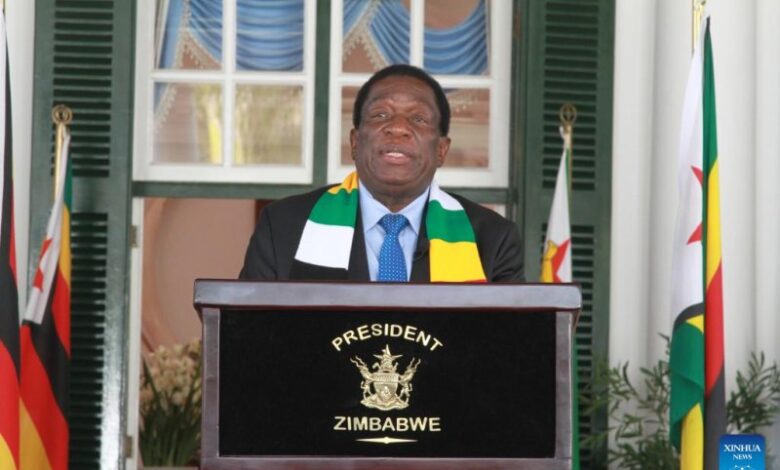
- MPs approve bill extending terms to seven years.
- Direct presidential elections would be abolished.
- Mnangagwa could remain president until 2030.
Zimbabwe’s lower house of parliament has approved a constitutional amendment bill that would extend presidential and parliamentary terms from five to seven years, potentially allowing President Emmerson Mnangagwa to remain in office until 2030.
The legislation secured the support of 216 lawmakers during a vote on Thursday, exceeding the two-thirds majority required to amend the constitution. Forty-two legislators voted against the measure.

The proposed changes would eliminate direct presidential elections and instead empower parliament to elect future presidents. The bill also seeks to postpone the next parliamentary and presidential elections from 2028 to 2030.
If enacted, President Mnangagwa, whose second and final term is currently set to expire in 2028, would remain in office for an additional two years.
The bill now moves to the Senate, where it is widely expected to gain approval before being signed into law by the president.

The amendment represents the latest step in a campaign by the ruling ZANU-PF party to revise constitutional term limits. The proposal received cabinet approval earlier this year despite previous assurances by Mnangagwa that he would respect existing constitutional provisions.
Supporters argue that the reforms will promote political continuity and stability, while critics contend that such significant constitutional changes should be subjected to a national referendum rather than being approved solely by parliament.
Opposition parties, civil society organisations and constitutional experts have expressed concerns that the amendments could weaken democratic accountability and undermine the principles established under Zimbabwe’s 2013 Constitution.
The developments come after Zimbabwe’s Constitutional Court dismissed a legal challenge seeking to halt the bill, clearing the way for parliamentary consideration.