Transport Fares To Increase By 8% From Saturday
The fare adjustment follows weeks of consultations between the government and transport unions over rising operating costs.
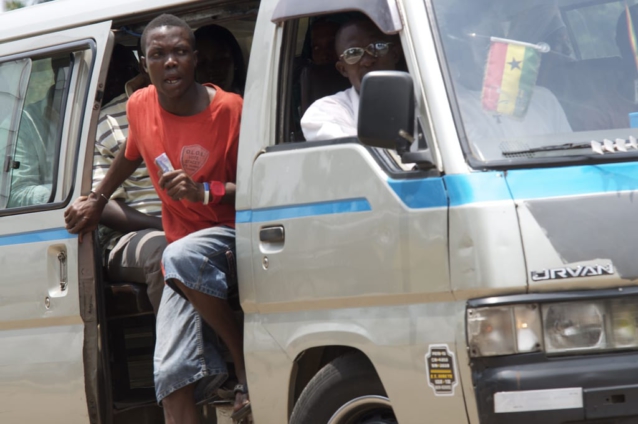
- Transport fares rise by 8%
- New fares take effect Saturday
- Trotros and shared taxis affected
Public transport fares across Ghana will increase by 8% from Saturday, September 26, 2026, following an agreement between the government and transport operators.
The adjustment comes after weeks of consultations between the Ministry of Transport and major transport unions as part of the 2026 fare review.
The Ghana Private Road Transport Union (GPRTU) and the Ghana Road Transport Coordinating Council (GRTCC) had called for an increase, citing rising operational costs affecting commercial transport operators.
At an initial meeting with the Ministry on September 8, the unions presented their proposals, while government outlined measures aimed at cushioning both operators and commuters, including a GH¢2 reduction per litre on diesel.
A joint technical team comprising representatives from the Ministry of Transport, GPRTU and GRTCC was subsequently formed to assess the various cost components and recommend an appropriate fare adjustment.
The consultations were also accompanied by calls for drivers and transport operators to continue charging existing fares until an official decision was reached.

As of September 16, both the GPRTU and Progressive Transport Owners’ Association (PROTOA) had maintained that no new fares had officially been approved.
With the latest agreement, commuters will begin paying the revised fares from September 26.
The 8% increase will apply to commercial public transport services, including trotros and shared taxis, with operators expected to implement the new rates in line with the agreed fare structure.
The review follows concerns from transport operators over rising expenses related to vehicle maintenance, spare parts, fuel and other operational costs.
The consultations were intended to balance the increasing cost of running commercial transport services with the financial burden on commuters.