Politics

Minority Leader Urges Strong Policy Frameworks to Sustain Ghana’s Long-Term Development

Afenyo-Markin urges shift from personality-driven leadership to institutional systems that ensure policy continuity and sustainable national progress

Story Highlights
  • Afenyo-Markin urged Ghana to adopt institutional frameworks that ensure national development continues beyond political administrations
  • He stressed the need to move away from personality-driven governance toward systems that guarantee policy continuity and stability
  • He emphasised that democracy must deliver sustainable growth, expand opportunities

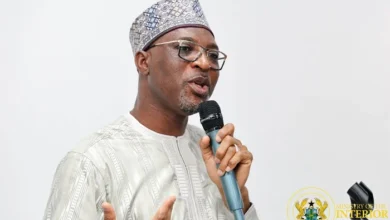
The Minority Leader in Parliament, Osahen Alexander Afenyo-Markin, has called for the establishment of robust policy structures to ensure Ghana’s development remains consistent beyond changing political administrations.

Speaking at a public lecture in Parliament on Thursday, February 26, 2026, he highlighted key governance systems he believes are essential for strengthening Ghana’s democracy and maintaining policy continuity.

The lecture, themed “Center Left and Center Right: Formulating Policies that Serve a Growing Democracy,” emphasised the importance of building long-term national strategies rooted in strong institutions rather than individual political leaders.

Mr. Afenyo-Markin stressed that Ghana must shift from personality-focused leadership to institutional-based governance that guarantees stability despite political transitions. He explained that durable systems and clear frameworks are necessary to guide national progress and manage competing political ideologies within constitutional limits.

He added that healthy ideological competition should improve policies instead of causing frequent reversals, noting that policy consistency would promote public confidence and attract investment by creating predictability.

According to him, Ghana’s development priorities must focus on stability, productivity, and lasting transformation instead of short-term political advantages.

He further emphasised that democracy should produce meaningful results by expanding freedoms, creating opportunities, and ensuring sustainable prosperity for both current and future generations.

The lecture is part of broader national conversations on governance reforms and policy direction as Ghana works to strengthen its democratic institutions and economic future.

Related Articles

Leave a Reply

Your email address will not be published. Required fields are marked *

Back to top button