“Stop Eating Banku at Night” – Mahama Advises Ghanaians on Healthy Living
President links late-night eating habits and sedentary lifestyles to rising non-communicable diseases
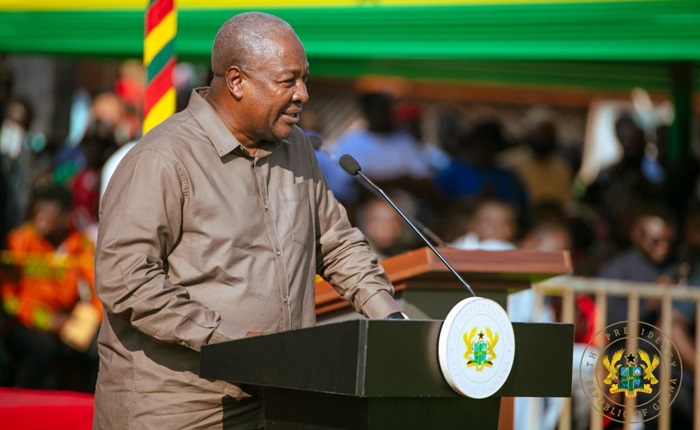
- President Mahama urges Ghanaians to avoid heavy late-night meals as part of efforts to promote better health
- He connects rising non-communicable diseases to sedentary lifestyles and poor eating habits.
- The remarks were made at the launch of the Free Primary Healthcare Initiative, focusing on prevention and awareness
President John Dramani Mahama has urged Ghanaians to adopt healthier lifestyle habits, using humour to caution against late-night heavy meals.
Speaking at the launch of the Free Primary Healthcare Initiative on Wednesday, April 15, the President linked the rising cases of non-communicable diseases (NCDs) to sedentary lifestyles and changing eating patterns.
He noted that many people return home late after long hours of work and consume heavy meals, a habit he said could negatively affect health.
“Stop eating banku at night,” he said jokingly, drawing laughter from the audience, before encouraging earlier and lighter evening meals.
He added that people who are less physically active often consume large portions of heavy foods such as fufu and banku late at night, a practice he advised against.
“If you are the kind of person who likes eating heavy foods, you are not physically active, you are sitting at one place… please, by 7 PM, eat your dinner and don’t eat again,” he said.

President Mahama suggested that if people feel hungry later in the evening, they should opt for lighter alternatives such as tea instead of heavy meals.
He also compared current lifestyles with those of earlier generations, noting that while traditional diets existed, they were balanced with more physical activity such as farming and manual labour.
“Our fathers used to eat banku and co in the night, but they were physically active… Now we don’t do any physical activity,” he explained.
His remarks formed part of a broader public health campaign under the Free Primary Healthcare Initiative, which emphasises preventive care and awareness in addressing lifestyle-related diseases.