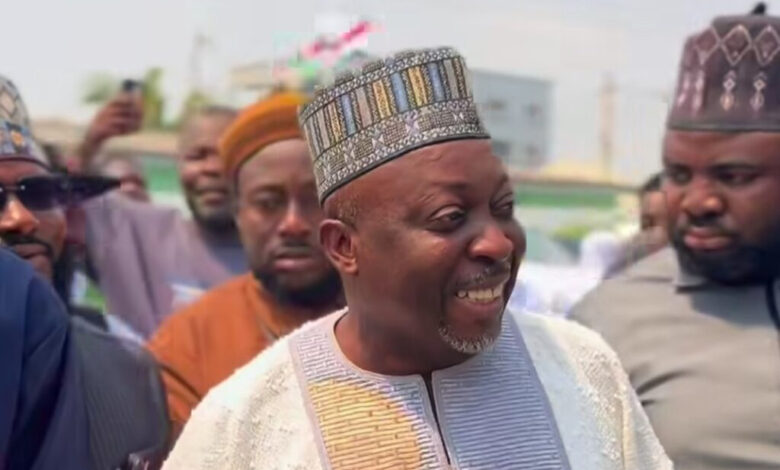
The National Democratic Congress (NDC) parliamentary candidate for Ayawaso East, Mohammed Baba Jamal Ahmed, has once again dismissed allegations of vote buying linked to the party’s parliamentary primary held on Saturday, February 7, 2026.
In a statement released to the media on Monday, February 9, Baba Jamal confirmed his appearance before a three-member committee constituted by the NDC to investigate claims of inducement during the primary. He said he used the opportunity to strongly refute the accusations and maintain his innocence.
Baba Jamal stressed that his political journey in the constituency reflects a deep respect for internal party democracy. He pointed out that he had contested two previous parliamentary primaries in Ayawaso East and lost both to the late Member of Parliament, outcomes he accepted in the interest of unity and party cohesion.
He further noted that in the primaries leading to the 2024 general elections, he secured 309 votes compared to the winner’s 452. According to him, his growing support base in the constituency is the result of his initiatives, integrity, and dedication to enhancing representation for the people of Ayawaso East.
The parliamentary candidate expressed appreciation to the investigative committee, chaired by former Information Minister Kofi Totobi Quakyi, for granting him the opportunity to present his side of the story. He also thanked constituency delegates for the trust they have placed in him to lead the party into the forthcoming by-election.
Meanwhile, the NDC committee probing the allegations says it is making steady progress and is on track to complete its work within the scheduled timeline. Committee member and former Tamale Central MP, Inusah Fuseini, speaking on Citi Eyewitness News, disclosed that the team has been engaging party officials, executives, and all candidates who contested the primary as part of its investigations.
The committee, which includes legal practitioner Emefa Fugah, is expected to present its findings and recommendations by Tuesday, February 10. In addition to probing the allegations, the team has been tasked with proposing measures to prevent vote buying and inducements in future party primaries.
The Ayawaso East primary has attracted controversy following reports that some delegates were allegedly induced with items such as television sets and boiled eggs, sparking public debate and concerns within the party.
Baba Jamal reaffirmed his commitment to the NDC and the development of Ayawaso East, emphasizing that his focus remains on improving the welfare of residents and securing effective representation for the constituency in Parliament.