Diana Hamilton Speaks on Seeking Permission Before Using Other Artistes’ Songs
Gospel singer says respecting copyright is important, revealing she has removed and withheld performances after being denied approval.
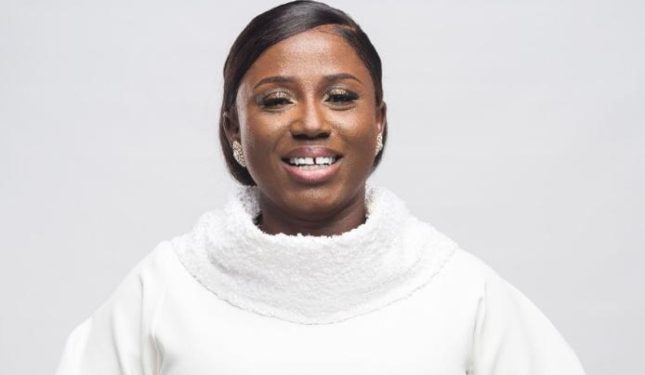
- Diana Hamilton prioritises copyright clearance.
- She once removed a song after permission was denied.
- The discussion focused on gospel music and copyright laws.
Award-winning Ghanaian gospel musician Diana Hamilton has stressed the importance of obtaining permission before performing or reproducing songs created by other artistes.
The gospel singer shared several experiences where she made deliberate efforts to seek approval before using songs that were not originally hers.
Diana recalled performing during a Pentecostal Praise session with Sofo Kyei Boate, where she included a song by Francis Agyei in a medley. According to her, she personally contacted the musician beforehand to ask for permission, which was granted.
She also recounted a situation involving the song Nsenkyerene Nyankopon, explaining that after obtaining approval for the Pentecost song, she later decided to include a song by a Nigerian artiste during a live performance at the Experience Concert. However, when her management later reached out for permission to include the song in the official recording, the rights holder declined.
“As a result, we removed that portion from the recording because I don’t want trouble,” she explained.

The Adom hitmaker further cited her performance of These Are the Days of Elijah, noting that she only performed the song live because it suited the atmosphere of the concert and had no intention of reproducing or monetising it without consent.
She said her approach has always been straightforward — if permission is granted, she proceeds; if not, she respects the decision and moves on.
Diana also disclosed that she has an unreleased performance involving a song by Jesse Dickson because she has not yet been able to contact the rightful owner for approval.
“I have been turned down, and I have also been granted permission. But I will always make sure I seek approval before using someone else’s song,” she said.
The discussion formed part of a broader debate on whether copyright laws relating to gospel music should be relaxed, especially since gospel music is often viewed as a tool for evangelism and worship. The conversation follows growing concerns over copyright infringement disputes involving churches and gospel musicians.