Defilement Remains Leading Child Abuse Offence in Ghana — Child Rights International Ghana Report
Study warns of rising cases and delayed justice system causing prolonged suffering for child victims
- Defilement accounted for 534 out of 899 child abuse cases reviewed in the report.
- About 32% of cases are still in court, with delays stretching up to 10 years.
- The report calls for specialised child protection courts and faster case-tracking systems to improve justice delivery.
Defilement has been identified as the most widespread offence against children in Ghana, according to a new report by Child Rights International Ghana.
The study defines defilement as any form of sexual act with a child under 16, with or without consent, and found it accounted for 534 out of 899 documented child abuse cases reviewed.
Of these cases, about 32% are currently before the courts, but many have been delayed for between two and 10 years, raising concerns about slow judicial processes and access to justice for victims.
Other common offences recorded include assault, rape, indecent assault, abduction, emotional abuse, child trafficking, incest, and child marriage, among others.
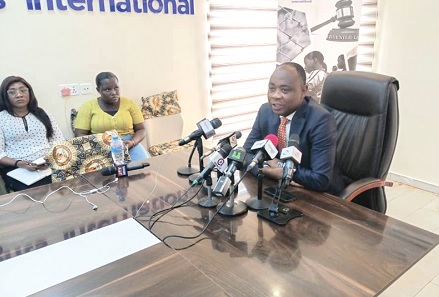
The findings were presented in Accra by the Executive Director of the organisation, Bright Appiah, who explained that the report draws on case management data from 10 regions over a three-year period, as well as information from vulnerable households in 32 communities.
Titled “Perfidy of justice against children: Evidence from child abuse cases in Ghana,” the report highlights a widening gap between reported abuse cases and the delivery of justice.

It warns that prolonged court processes are causing further harm to victims, including psychological trauma, anxiety, repeated court appearances, stigma, and disruptions to education. Families also face financial strain from legal fees, transport, and medical costs, which in some cases forces them to abandon formal prosecution.
The report describes these delays as a form of “secondary victimisation,” where children suffer additional harm from the justice system itself rather than the original offence.
To address these challenges, the report recommends urgent reforms, including strict timelines for handling child abuse cases, the creation of specialised child protection courts, and dedicated prosecution units.
It also calls for a national digital system to track cases from reporting to final judgement, alongside stronger coordination between justice agencies to ensure faster and more sensitive handling of child-related cases.
The organisation says these measures are essential to building a justice system that is faster, more accountable, and better suited to protecting children from abuse.