100% Tiling of Compounds’ Is Cause of Floods — IAWPA
IAWPA links fully tiled compounds to worsening urban floods in Ghana.
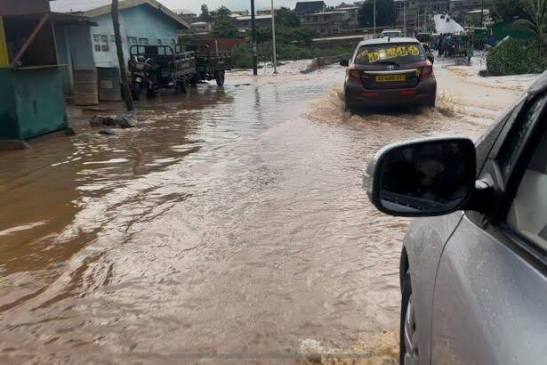
- IAWPA says excessive paving reduces natural water absorption and increases runoff.
- The group urges homeowners to maintain green spaces to help manage rainwater.
- It calls for stronger enforcement of planning laws and improved drainage systems.
The International Association of Wastewater Practitioners and Allied Professionals (IAWPA) has identified the growing practice of fully tiling residential compounds as a major contributor to recurring floods in Ghana’s urban centres.
According to the association, covering entire compounds with concrete, paving blocks, or tiles leaves little or no exposed soil to absorb rainwater. As a result, stormwater flows rapidly into drains, many of which are already undersized or blocked, increasing the risk of flash flooding during heavy rains.

IAWPA explained that natural ground surfaces help absorb and retain rainwater, reducing surface runoff. However, replacing these permeable surfaces with hard materials forces large volumes of water into drainage systems within a short period, overwhelming the infrastructure.
The association urged homeowners, property developers, and city authorities to adopt more sustainable building practices by preserving green spaces and limiting the extent of paved surfaces within residential properties.
It also called on Metropolitan, Municipal and District Assemblies (MMDAs) to strictly enforce planning regulations that promote environmentally friendly development and improve urban resilience against flooding.

Beyond excessive paving, IAWPA noted that poor drainage maintenance, indiscriminate waste disposal, and construction on waterways and wetlands continue to worsen Ghana’s flood situation.
The association stressed that tackling the country’s perennial flooding problem requires a combination of better urban planning, improved drainage infrastructure, responsible waste management, and greater public awareness on environmentally sustainable practices.
Its comments come amid renewed national discussions on flood prevention following recent heavy rains that caused widespread flooding, damage to property, and loss of lives in parts of the country. Experts have consistently warned that unchecked urban development and the loss of natural infiltration areas are placing increasing pressure on Ghana’s drainage systems.