Historic Unity at Manhyia: Yagbonwura, Asantehene Renew Ancient Bond Between Gonja and Asante
Ancient Kingdoms Unite in Historic Show of Peace, Unity and National Development

- Historic royal meeting renews centuries-old ties between the Asante and Gonja kingdoms
- Yagbonwura and Asantehene reaffirm commitment to peace, unity and national development
- Both kingdoms pledge stronger collaboration on traditional governance, land administration and conflict resolution.
The Manhyia Palace came alive with history and tradition as the Asantehene, Otumfuo Osei Tutu II, celebrated the Awukudae Festival, marked by a landmark courtesy call from the Overlord of the Gonja Kingdom, Yagbonwura Bii-Kunuto Jewu Soale I.
The visit, described by both kingdoms as historic, symbolized the renewal of centuries-old ties between two of Ghana’s most influential traditional authorities and reinforced the role of chieftaincy in promoting peace, unity and national development.
Leading a high-powered delegation from the Savannah Region, the Yagbonwura said his visit was driven by a desire to deepen cooperation between the Gonja and Asante kingdoms, emphasizing that the relationship between the two traditional states dates back generations.
He expressed profound appreciation to the Asantehene and the people of Asanteman for the warm reception and the opportunity to participate in one of the kingdom’s most significant traditional celebrations.
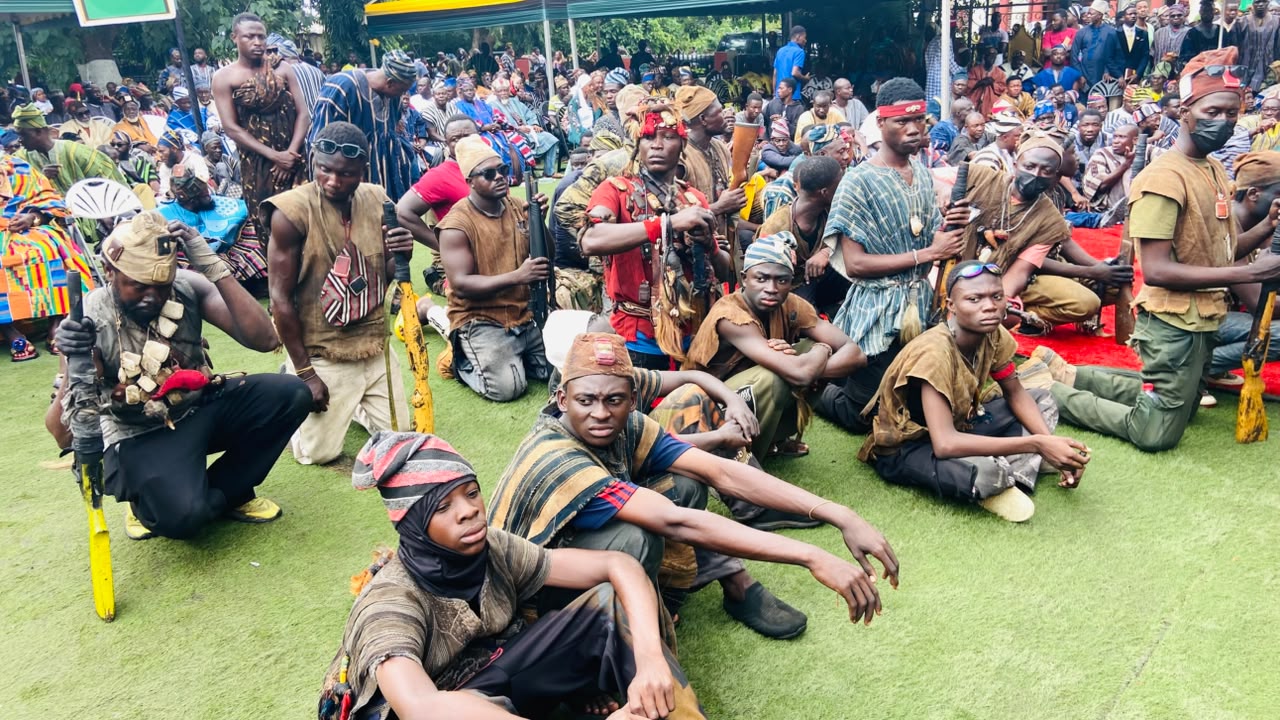
According to the Yagbonwura, traditional authorities have an important responsibility to preserve Ghana’s rich cultural heritage while using the institution of chieftaincy to promote tourism, protect customs and traditions, and contribute meaningfully to socio-economic development.

He stressed that despite debates over the relevance of the chieftaincy institution, chiefs remain the pillars around which many communities continue to flourish and called on traditional rulers across the country to work together to improve the lives of their people.
Shared History Beyond Geography
In an address rich in history, the Yagbonwura reminded the gathering that although the Gonja and Asante kingdoms are geographically separated, history and destiny have united them for centuries.
He recounted how ancient trade routes linking Salaga, Kintampo, Techiman and Kumasi fostered thriving commercial relations between the two kingdoms long before colonial rule. Gonja merchants traded livestock, salt, shea butter, leather and textiles, while Asante traders supplied kola nuts and other locally manufactured products, creating prosperity for both kingdoms.
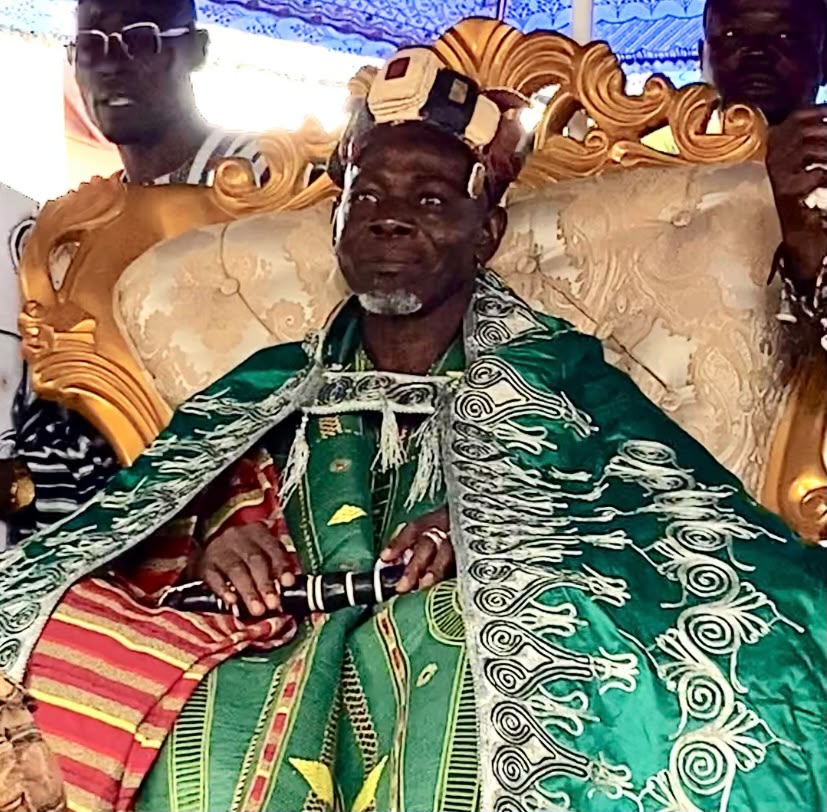
Beyond commerce, he highlighted the contribution of Muslim scholars from Gonja who served in the royal courts of Asante, providing spiritual guidance, scholarship and wise counsel—an enduring testament to the trust and mutual respect that existed between the two kingdoms.
While acknowledging historical conflicts during periods of territorial expansion, the Yagbonwura noted that those events belong to history, stressing that today’s generation must instead focus on reconciliation, diplomacy and shared prosperity.
“Our forefathers understood that the greatness of kingdoms is measured not by perpetual conflict but by their capacity for diplomacy, mutual respect, reconciliation and shared prosperity,” he emphasized.
Commends Peacebuilding and Calls for Greater Collaboration
The Gonja overlord praised the Asantehene’s outstanding contribution to peacebuilding in Ghana, particularly his leadership in helping resolve the longstanding Dagbon chieftaincy dispute.
He also commended the collaborative efforts of eminent traditional rulers, including the Yagbonwura and the Nayiri, describing their collective leadership as a stabilizing force for the nation.
Addressing contemporary challenges, the Yagbonwura appealed for stronger collaboration between the Gonja and Asante kingdoms in resolving land disputes through dialogue, mediation, customary law and effective land administration systems.
He maintained that greater cooperation among traditional authorities would strengthen peace, stability and national development.
The Yagbonwura further used the occasion to acknowledge President John Dramani Mahama for championing the call for reparations for African nations and people of African descent affected by the trans-Atlantic slave trade.
Asantehene Reaffirms Unity Beyond Asanteman
Responding on behalf of the Asantehene, Daasebre Osei Bonsu III described the courtesy call as a historic moment that would strengthen the already existing relationship between the two kingdoms.
He noted that the Asantehene’s vision has always extended beyond Asanteman to the development and unity of Ghana as a whole.
According to him, the Asante Kingdom has established effective traditional mechanisms for resolving disputes internally without resorting to prolonged court battles, a model that has helped preserve peace and harmony within the kingdom.
He emphasized that the historic visit demonstrates that Asantes and Gonjas are one people connected by history, adding that the relationship would continue to grow stronger in the years ahead.
Daasebre also announced that Asanteman would organize a return visit to the Gonja Kingdom, describing the exchange as the beginning of an even closer partnership between the two traditional states.
He stressed that the institution of chieftaincy in Ghana exists not to promote conflict but to unite communities and support national development.
“This day,” he declared, “will forever remain a historic one in Ghana.”
As the ceremony concluded amid traditional rites and royal courtesies, the meeting between the Asantehene and the Yagbonwura stood as a powerful reminder that Ghana’s traditional institutions continue to play an indispensable role in fostering unity, preserving history and promoting peace across the country.