(VIDEO) Don’t Discriminate Against Persons with Albinism – Ewurabena Aubynn
Ablekuma North MP calls for greater inclusion, healthcare support, and equal opportunities for persons living with albinism.

- MP urges Ghanaians to reject discrimination against persons with albinism.
- Calls for improved healthcare and educational support.
- Advocates free sunscreen and skin cancer screening services.
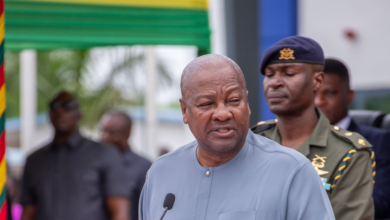
The Member of Parliament for Ablekuma North, Ewurabena Aubynn, has called on Ghanaians to reject discrimination against persons living with albinism and support efforts to improve their welfare and inclusion in society.
Delivering a statement on the floor of Parliament to mark International Albinism Awareness Day, Madam Aubynn emphasized the need to promote acceptance, equal opportunities, and respect for the rights of persons with albinism.
She highlighted this year’s theme, “Proudly in My Skin: Celebrating All Skin Tones,” describing it as a powerful call to embrace diversity, combat stigma, and affirm the dignity of every individual regardless of their skin condition.
According to the lawmaker, although Ghana has not witnessed the extreme violence against persons with albinism reported in some African countries, many continue to face discrimination, social exclusion, and health-related challenges.
Madam Aubynn explained that albinism is a genetically inherited condition characterized by reduced melanin production, often resulting in visual impairments and increased vulnerability to skin damage and skin cancer.

Speaking in an interview with Lawson Media, she expressed concern about the challenges faced by children with albinism in schools, including bullying, inadequate learning materials, and the lack of appropriate classroom accommodations.
She noted that these barriers negatively affect academic performance and limit full participation in education. Employment discrimination, she added, remains another significant concern.
The MP observed that misconceptions about the abilities of persons with albinism continue to deny many of them equal opportunities, while persistent stigma often impacts their confidence, mental well-being, and overall quality of life.
To address these challenges, Madam Aubynn proposed several interventions, including expanding access to dermatological and eye care services nationwide, incorporating sunscreen into the National Health Insurance Scheme, strengthening inclusive education through assistive learning devices, and creating more employment opportunities.
She also called on the Ministry of Gender, Children and Social Protection and other relevant stakeholders to provide subsidized or free sunscreen, regular skin cancer screening, and psychosocial support services for persons living with albinism.
Madam Aubynn stressed that protecting the rights and welfare of persons with albinism is essential to building a more inclusive and equitable society.
From Martin Kwabena Ahwireng Quaye