Education

GES Urges Public to Report Exam Malpractice via Hotlines

Education authorities intensify anti-cheating campaign as WASSCE begins, warning offenders of strict sanctions.
Story Highlights
  • GES encourages public to report malpractice using dedicated hotlines and WhatsApp line.
  • Officials warn teachers and invigilators of dismissal and prosecution if caught.
  • Candidates urged to write exams independently as WASSCE commences.

The Ghana Education Service (Ghana Education Service) has urged the public to actively report cases of examination malpractice through its dedicated hotlines as part of efforts to protect the integrity of national examinations.

Deputy Director-General of the GES, Prof. Smile Gavua Dzisi, said the service is concerned about ongoing incidents of exam malpractice despite existing measures to curb the practice. She encouraged the public to support the fight by providing timely information through whistleblowing channels.

The hotlines provided are 020-1360-789 for calls and SMS, and 020-1360-786 for WhatsApp, which she said have already proven useful in exposing malpractice cases during the Basic Education Certificate Examination (BECE).

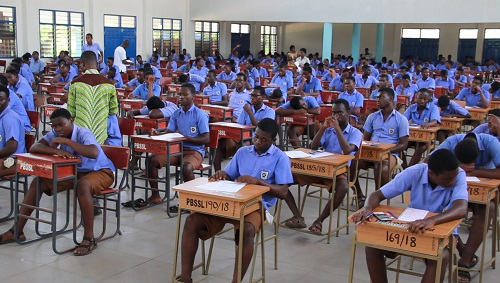
Prof. Dzisi made the appeal during a monitoring visit to some Senior High Schools in Accra, including Accra Girls’ Senior High School and Accra High School, as candidates began the theory papers of the West African Senior School Certificate Examination (WASSCE).

She assured that security agencies are actively monitoring examination processes and warned that individuals involved in malpractice, including teachers and invigilators, will be prosecuted.

According to her, some educators have already been convicted, stressing that anyone caught engaging in exam malpractice risks losing their career in the education sector.

She further emphasized the importance of allowing students to write examinations independently in order to reflect their true academic performance and improve the education system.

Prof. Dzisi also reiterated the GES’s call for parents, teachers, and guardians to refrain from assisting students during examinations, describing malpractice as harmful to both learners and national development.

Greater Accra Regional Director of Education, Hajia Katumi Natogmah Attah, who accompanied the visit, also cautioned invigilators against assisting students and encouraged candidates to rely on their own preparation.

She noted that Ghana’s return to writing the WASSCE alongside other West African countries marks an important step and urged candidates to maintain discipline and integrity during the exams.

Related Articles

Leave a Reply

Your email address will not be published. Required fields are marked *

Back to top button