Fibre Cuts Rise to 8,000 Annually, Threatening Ghana’s Digital Infrastructure
The telecom industry is calling for urgent action to curb rising fibre optic cable damage across the country.
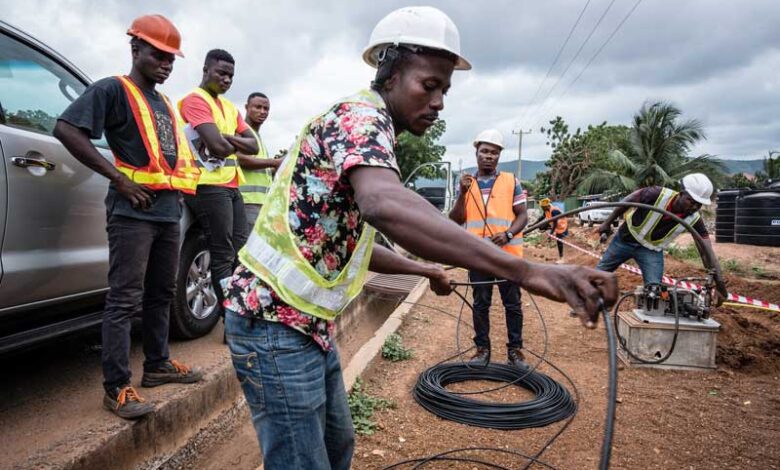
- Annual fibre cuts have increased from 400 to 8,000 cases.
- Telecom firms are spending millions on repairs instead of expansion.
- The Chamber wants the “Dig Once” policy enforced this year.
Ghana’s telecommunications industry is facing mounting pressure as incidents of fibre optic cable cuts continue to rise sharply, threatening the country’s digital infrastructure and service reliability.
Speaking during the launch of the 15th anniversary celebration of the Ghana Chamber of Telecommunications, Chief Executive Officer Sylvia Owusu-Ankomah revealed that annual fibre cuts have surged from about 400 cases in the early years of network expansion to nearly 8,000 incidents.

According to her, the growing number of cable cuts is placing a heavy financial burden on telecom operators, forcing them to redirect funds meant for network expansion and technological upgrades into constant repair works.
“We are experiencing over 8,000 cuts per annum when it comes to fibre cuts, which is increasingly a strain on our operators’ resources,” she stated.
Mrs Owusu-Ankomah explained that Ghana’s rapid digital growth, with internet penetration rising from 4% to more than 70% over the past 15 years, has also exposed thousands of kilometres of fibre cables to damage from road construction, excavation activities and illegal mining operations.

She noted that instead of investing in projects such as 5G deployment and rural connectivity expansion, telecom companies are spending millions of cedis repairing damaged fibre infrastructure to maintain service quality.
To address the problem, the Chamber is advocating the urgent implementation of the “Dig Once” policy, which would require road construction projects to include protected underground ducts for fibre installation.
The proposed policy is expected to reduce repeated road excavations and better protect fibre cables from future damage.
Mrs Owusu-Ankomah stressed that the industry has reached a point where stronger policy enforcement is needed to protect critical digital infrastructure.
“This [fibre cuts] has been a plague of the industry for quite a while and we believe Ghana has matured enough to put a stop to it,” she said.
The Chamber says discussions on the policy are currently ongoing at the Cabinet level and is urging the government to speed up the process to improve network resilience and ensure reliable telecommunications services for consumers.
Industry leaders warn that without immediate intervention, persistent fibre cuts could continue to disrupt service delivery and negatively affect Ghana’s growing digital economy.