Iran Insists It Will Never Relinquish Control of Strait of Hormuz
Tehran signals firm stance on strategic waterway amid rising regional tensions
- Iran vows never to relinquish control of the Strait of Hormuz
- Lawmakers propose new bill to formalise authority over maritime passage
- Strategic waterway seen as key leverage in regional power dynamics
A senior Iranian politician has declared that Iran will never give up control of the strategically vital Strait of Hormuz, describing it as a fundamental national right.
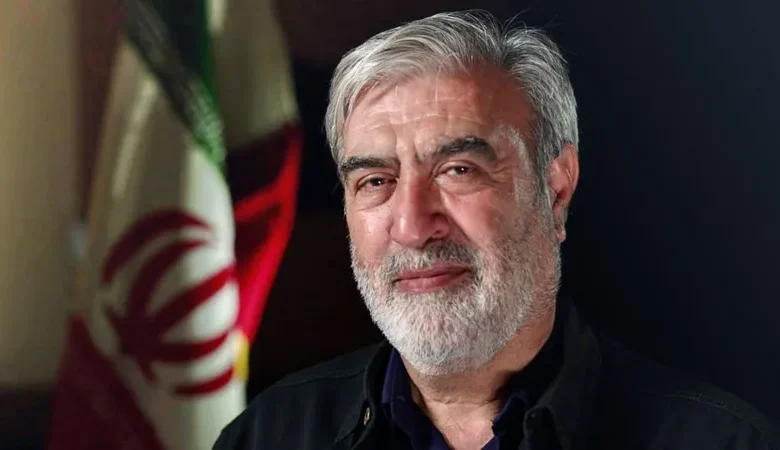
Speaking to the BBC in Tehran, Ebrahim Azizi—a former commander of the Islamic Revolutionary Guard Corps—stated firmly that Iran alone will determine access through the key shipping route.
“It is our inalienable right,” he said, adding that Tehran will control maritime passage, including granting permission for vessels to transit the strait.
Azizi, who chairs Iran’s parliamentary Committee for National Security and Foreign Policy, revealed that a new bill is being prepared to formalise this authority. The proposed legislation, he explained, would draw on constitutional provisions covering environmental protection, maritime safety, and national security, with enforcement by the armed forces.
His comments come amid rising global concern over potential disruptions to the strait, a critical route for international oil and gas shipments. Any restriction could trigger significant economic consequences worldwide.
Iran increasingly views control of the waterway as a strategic asset, particularly in the context of ongoing regional tensions. Azizi described the strait as a powerful tool in confronting adversaries.

The stance reflects a broader shift within Iran’s leadership, where hardline figures—especially within the IRGC—have gained greater influence following recent conflicts and targeted killings of senior officials.
Analysts say Tehran now sees its command over the strait not only as leverage in current geopolitical tensions but also as a long-term strategic advantage.
Mohammad Eslami, a research fellow at the University of Tehran, noted that restoring deterrence is a top priority for Iran after the conflict, with the Strait of Hormuz playing a central role.
While Iran may be open to discussions on how other countries could operate under a new framework, officials insist that ultimate control will remain firmly in Tehran’s hands.