44 Ghanaians Repatriated from QNET Scheme in Nigeria
Returnees recount harrowing experiences in Nigeria’s QNET scam camps
- 44 Ghanaians, including 27 men and 17 women, were rescued from suspected human trafficking camps in Akwa Ibom, Nigeria, and returned to Ghana
- Many paid large sums (up to GH¢16,000) for promised jobs abroad but were instead forced to sell products under harsh conditions
- The Ministry of Foreign Affairs urged Ghanaians, especially youth, to verify overseas job offers to avoid scams
The Ministry of Foreign Affairs has repatriated 44 Ghanaians who were reportedly lured to Nigeria through fraudulent job opportunities linked to the QNET scheme.
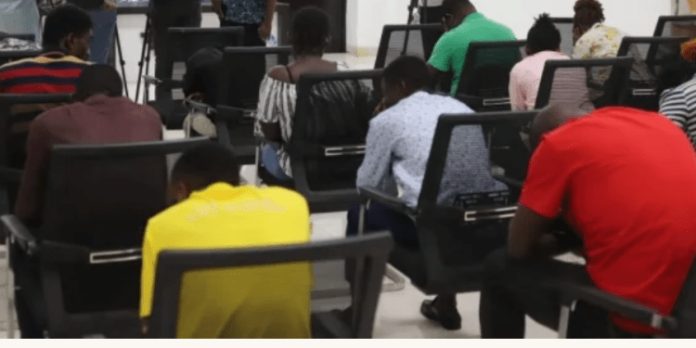
The group, consisting of 27 men and 17 women, arrived in Ghana by bus on March 20, 2026, after being rescued from suspected human trafficking camps in Akwa Ibom, Nigeria. Most of the returnees had left Ghana in December last year seeking better opportunities but were intercepted by Nigerian police during operations targeting human trafficking.
Ordeal in Nigeria
One victim, who spent less than a month in Nigeria, described the trauma of their arrest. “The police officers were dressed in black and wore masks, as if it was a kidnapping. Some of us were beaten for resisting. I was traumatised,” he said.
Another recounted being held in a private facility for four days before being returned to Ghana. Several victims revealed they had paid large sums for promised jobs abroad—GH¢16,000 in one case and GH¢10,000 in another—but were instead made to sell products on commission upon arrival in Nigeria.
A female victim said, “I left Ghana expecting to work in South Africa, but in Nigeria, I was given health products to sell on commission. I sold some but couldn’t earn anything. Although we were fed twice daily, the conditions were poor, and I regret the GH¢16,000 my father spent on me.”
She appealed to the government to create more local jobs to discourage risky migration.

Mixed Reactions on Return
Upon arrival, the returnees expressed mixed feelings. While some thanked the government for facilitating their return, others were frustrated by the financial losses and the circumstances of their arrest. Some still believe the venture could have been profitable if it had continued.
Government Caution
Addressing the media, John Kwasi Boakye, Director of Consular Affairs at the Ministry of Foreign Affairs, warned Ghanaians against fraudulent recruitment schemes. He urged youth to verify overseas job offers with the security services or the Ministry before committing financially.
Mr. Boakye praised Nigerian authorities for their cooperation and encouraged the returnees to raise awareness about the dangers of such scams. “We want our citizens to be ambassadors in the fight against human trafficking and QNET activities. No one should be a victim of this scam in our country again,” he said.
The Ministry continues efforts to combat human trafficking while supporting victims of fraudulent recruitment schemes.