Health

WHO Declares DR Congo Ebola Outbreak an International Health Emergency

The World Health Organization warns of possible regional spread as Ebola cases linked to the Bundibugyo strain emerge in DR Congo and neighbouring Uganda.
Story Highlights
  • WHO declares the Ebola outbreak in DR Congo a Public Health Emergency of International Concern.
  • The Bundibugyo strain involved in the outbreak currently has no approved vaccine or treatment.
The World Health Organization has declared the ongoing Ebola outbreak in the Democratic Republic of the Congo a Public Health Emergency of International Concern, warning that the situation poses a serious risk of regional spread.

The outbreak, centered in Ituri Province in eastern DR Congo, has so far recorded about 246 suspected infections and 80 deaths. Although the WHO said the outbreak does not currently meet the threshold for a global pandemic, it warned that the actual scale of infections could be far greater than what has been officially detected.

Health officials confirmed that the outbreak involves the Bundibugyo strain of the Ebola virus, for which there are currently no approved vaccines or treatments.

According to the WHO, eight laboratory-confirmed cases have been identified across several health zones, including Bunia, Mongwalu, and Rwampara. Authorities have also confirmed one case in the capital, Kinshasa, involving a patient who recently travelled from Ituri.

The virus has now crossed borders, with neighbouring Uganda reporting two confirmed infections. Ugandan authorities said a 59-year-old Congolese man who died on Thursday tested positive for the disease before his body was returned to DR Congo.

Reports have also confirmed a case in the eastern city of Goma, an area currently under the control of M23 rebels.

The WHO warned that ongoing insecurity, humanitarian challenges, high population movement, and the presence of informal healthcare facilities in affected areas are increasing the risk of wider transmission within the region.

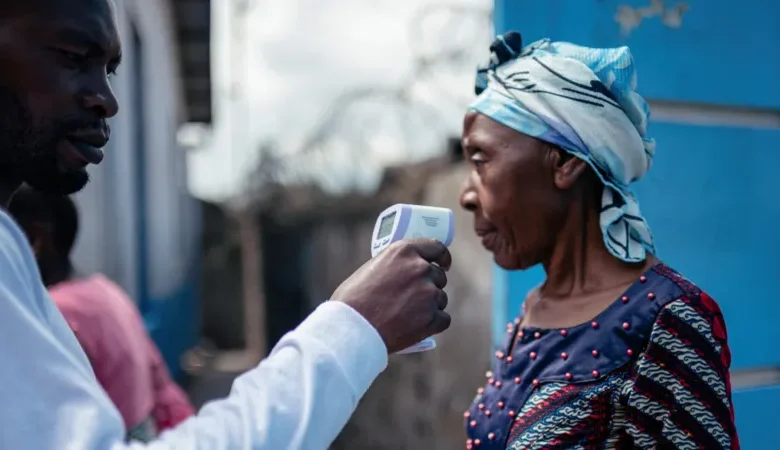
To contain the outbreak, the agency urged DR Congo and Uganda to establish emergency response centres to strengthen monitoring, contact tracing, and infection-prevention measures. It also advised that infected individuals be isolated immediately and only discharged after testing negative twice for the virus.

Countries bordering DR Congo have been advised to intensify surveillance and public health reporting systems, particularly because of cross-border trade and travel.

Despite the growing concern, the WHO said there is no scientific basis for closing borders or restricting international travel and trade.

WHO Director-General Tedros Adhanom Ghebreyesus cautioned that significant uncertainty remains about the true number of infections and the full geographic spread of the outbreak.

Ebola is a severe viral disease transmitted through direct contact with infected bodily fluids such as blood, vomit, and sweat. Symptoms usually begin with fever, fatigue, headaches, and muscle pain before progressing to vomiting, diarrhoea, and, in severe cases, internal and external bleeding.

The Democratic Republic of the Congo has experienced multiple Ebola outbreaks since the virus was first identified there in 1976. Its deadliest outbreak occurred between 2018 and 2020, when nearly 2,300 people lost their lives.

Related Articles

Leave a Reply

Your email address will not be published. Required fields are marked *

Back to top button