“We Must Stand United” — Mahama Hails UN Adoption of Reparations Resolution
Mahama hails UN resolution as a historic step toward reparatory justice for Africa and descendants of enslaved people
- UN General Assembly adopts Ghana’s reparations motion with 123 votes in favor.
- Resolution recognizes transatlantic slavery as one of the gravest crimes against humanity.
- Mahama calls for unity and continued global solidarity to restore dignity to affected Africans.
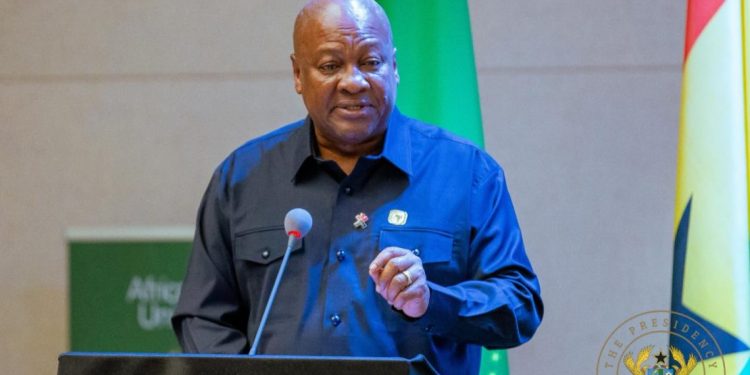
President John Dramani Mahama has welcomed what he calls a landmark diplomatic achievement following the adoption of Ghana’s reparations motion by the United Nations General Assembly.
The resolution, passed on Wednesday, March 25, 2026, calls for renewed global commitment to reparatory justice for African nations and descendants of enslaved people. It urges member states to engage in structured dialogue and implement tangible measures to address the long-term social, economic, and cultural impacts of slavery.
After extensive deliberations, the motion received 123 votes in favor, with the United States of America, Argentina, and Israel voting against, while 52 countries abstained. The United States described the resolution as “highly problematic,” recognizing the historical injustice of slavery but expressing concerns over the intended beneficiaries of reparations.
In a post on X on Thursday, March 26, President Mahama expressed his delight, noting that the resolution formally recognizes the trafficking and enslavement of Africans as among the gravest crimes against humanity.
“I am overjoyed by the adoption by the UN General Assembly of the resolution declaring the trafficking of enslaved Africans and racialized chattel enslavement of Africans as the gravest crime against humanity,” he said.
He attributed the success to robust international collaboration, highlighting the efforts of the African Union, CARICOM, and other partners in moving the proposal from concept to adoption.

President Mahama emphasized that the resolution is a meaningful step toward honoring the millions of Africans affected by the transatlantic slave trade. Drawing on the words of revolutionary leader Toussaint Louverture, he underscored the power of unity in confronting historical injustice:
“The greatest weapon against oppression is unity. We must stand united in seeking the restoration of the humanity and dignity of our forebears who were enslaved and sold,” he said.