“We Don’t Go to Church to Suffer” — Rev. Bosomtwe Ayensu Joins Tithe Debate
Former Methodist Bishop calls for balance in church welfare and financial accountability debate
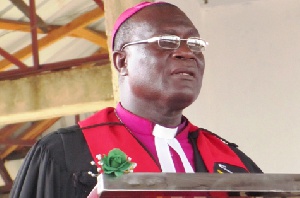
- Rev. Bosomtwe Ayensu insists Christianity is meant to uplift believers
- He notes that many churches provide significant support in times of need
- he former bishop urges better awareness of church welfare systems
Former Methodist Bishop, Rev. Bosomtwe Ayensu, has entered the ongoing public debate surrounding tithes and welfare support in churches, insisting that the Christian faith is meant to uplift believers rather than add to their hardships.
He made the remarks in an interview while reacting to a viral video in which a woman questioned why church members continue to give offerings and tithes yet sometimes struggle without adequate support from their congregations.
According to him, the core message of Christianity is freedom and transformation, not suffering.
“Knowing Jesus should liberate you from poverty. We don’t go to church to suffer,” he said. “When you come to Christ, you are set free, and that freedom is not about enduring unnecessary hardship.”
However, he clarified that although churches have a responsibility to support their members, such assistance must be guided by established structures and orderly systems.
“Every church has its rules and regulations. The church has a responsibility, yes, but it must be done in an orderly way,” he explained.

Rev. Ayensu further noted that many churches already provide significant support to members, especially during health challenges.
“When someone is sick, the church comes together. We visit, we contribute money, we buy items, sometimes even support surgeries. That is how we show care so the person knows the church is there for them,” he said.
He added that a lot of church welfare activities happen quietly, which often leads to public misunderstanding.
“There are a lot of things people don’t know, and sometimes pastors don’t make everything public,” he noted.
The former bishop also revealed that churches regularly organise meetings to update members on welfare and financial matters, but participation is often low.
“We hold society meetings where members are informed about what the church is doing, and they can ask questions. But on such days, many people don’t even show up,” he said.
His comments come amid increasing discussions on social media about transparency, accountability, and the welfare responsibilities of churches in Ghana.