Kan-Dapaah Lauds Jean Mensa for Ensuring Smooth Election Preparation So Far
National Security Minister Highlights EC’s Efforts in Strengthening Ghana’s Electoral System

- Kan-Dapaah praises Jean Mensa for ensuring a seamless electoral process ahead of the 2024 elections
- Kan-Dapaah highlights IPAC’s role in fostering political party cooperation for fair elections
- He reflects on Jean Mensa’s transition from IEA critic to EC Chair
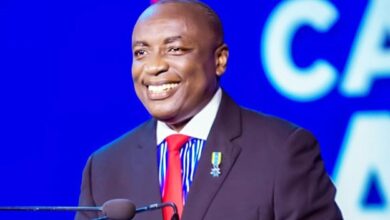
Albert Kan-Dapaah, Ghana’s Minister for National Security, has lauded Electoral Commission (EC) Chairperson Jean Mensa for overseeing a smooth electoral process ahead of the 2024 general elections.
During an interview on the Ghana Se Sen Morning Show with Kwame Tanko on Lawson TV/Radio, Kan-Dapaah praised the Inter-Party Advisory Committee (IPAC) meetings for fostering collaboration among political parties.
“We’ve been praying for a fair and robust electoral system, and it’s safe to say we’re achieving that. The EC has performed exceptionally well,” he remarked.
Reflecting on Jean Mensa’s journey from leading the Institute of Economic Affairs (IEA) to her current role, Kan-Dapaah noted, “She once challenged the EC to ensure fairness, and now that she’s in charge, some still criticize her but such is life.”
Meanwhile,
The Electoral Commission (EC) has confirmed it is fully prepared to conduct free, fair, and transparent elections on December 7, 2024.

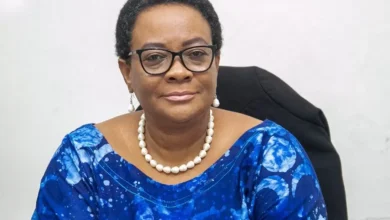
In a press briefing on Thursday evening, EC Chairperson Jean Mensa assured the public that all necessary materials and equipment have been successfully distributed to regional offices.
These include stamp pads, biometric devices, ballot boxes, and other essential tools.
Mensa emphasized that sufficient quantities of materials were provided, eliminating concerns of shortages. Nearly 210,000 temporary election officers have been trained and deployed to manage the approximately 40,000 polling stations across the country. She urged the officers to uphold the principles of fairness and transparency in their duties.
Additionally, Mensa encouraged first-time voters and the youth to actively participate in the elections while urging them to reject violence and refrain from being manipulated. Ghana’s 9th election since 1993 will see over 18 million eligible voters selecting a President and 276 Members of Parliament.
With successful special voting exercises already conducted, the EC is expecting a strong voter turnout on Saturday, December 7, and calls on all citizens to take part in the democratic process.