Otumfuo Calls for End to “Broken Promises” as He Demands New Development Path for Ghana
The Asantehene says Ghana must move beyond 70 years of political rhetoric and focus on building a productive, enterprise-driven economy rooted in trust and value creation.
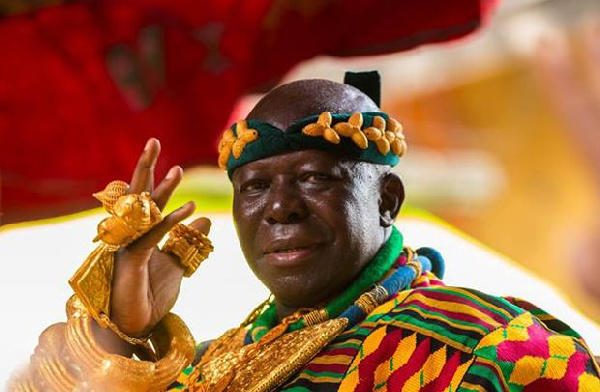
- Otumfuo says Ghana has suffered decades of unfulfilled promises since independence.
- He urges a shift from political rhetoric to business, production, and innovation.
- Calls for stronger government–private sector collaboration to drive growth and jobs.
Otumfuo Osei Tutu II has called for a fundamental shift in Ghana’s national direction, warning that nearly 70 years after independence, the country has little to show beyond repeated cycles of political promises and unmet expectations.
Speaking at the Ghana Business Leaders Conclave at the University of Professional Studies, Accra (UPSA), the Asantehene said Ghana must urgently move away from political rhetoric and focus on building a productive, enterprise-driven economy.

He argued that the country has too often mistaken political speeches and campaign promises for real progress, while failing to build strong economic foundations capable of delivering lasting prosperity.
According to him, the recurring pattern of public optimism at the start of every government, followed by disappointment, reflects deeper structural weaknesses in governance and economic planning.
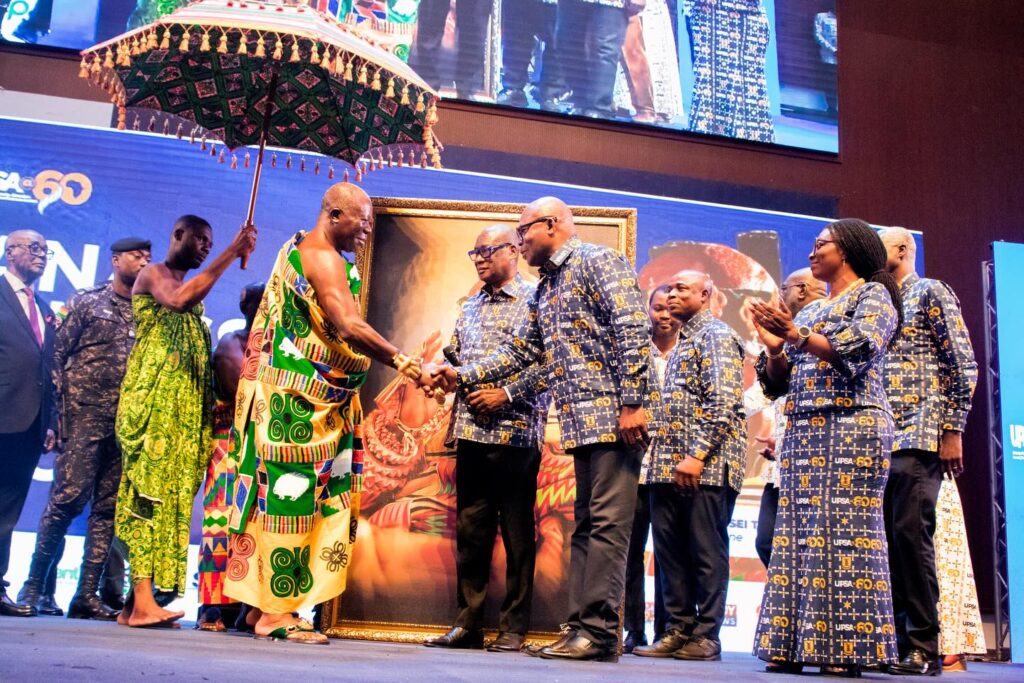

Otumfuo stressed that trust in institutions has become fragile, making sustainable development difficult. He said the solution lies not only in better governance but in a national reorientation toward production, innovation, and value creation.
He urged Ghanaians to rethink the meaning of independence, questioning whether it has truly translated into better living standards, opportunities for young people, and dignity for citizens across the country.
He added that economic transformation cannot be achieved through elections or slogans, but through disciplined efforts to build businesses and strengthen productive sectors.
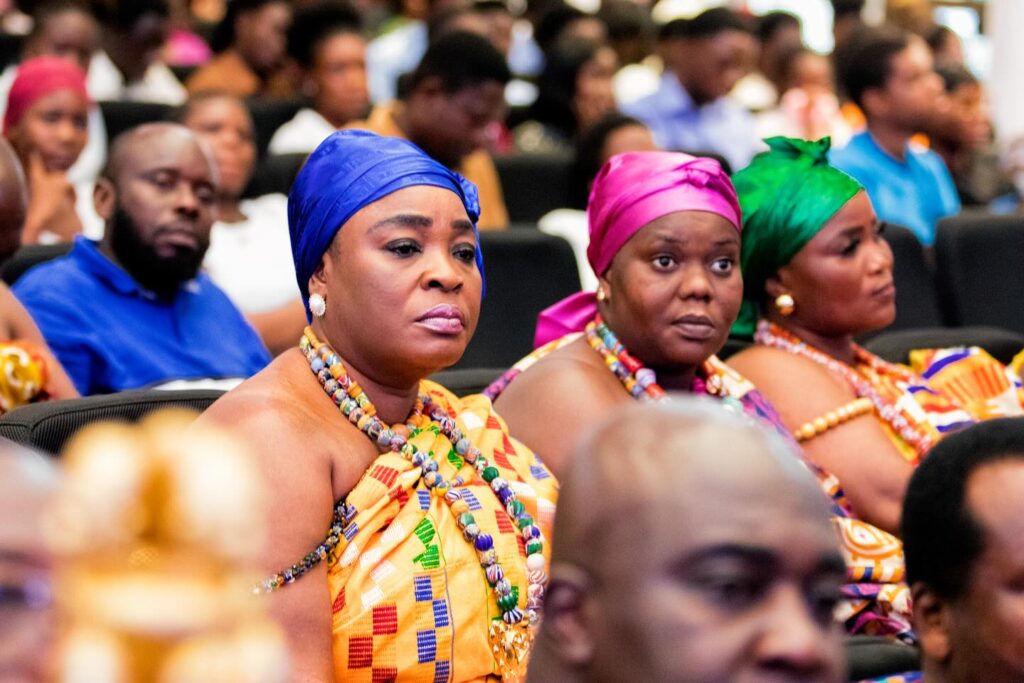
The Asantehene outlined a clear call for change, urging a shift from political rhetoric to business development, from slogans to production, from dependency to enterprise, and from complaints to value creation.
He cited countries such as the United States, China, India, Singapore, and Vietnam as examples of nations that achieved growth through sustained investment in industry, innovation, and enterprise rather than political rhetoric.
Otumfuo also distinguished between democracy and trust, noting that while elections may change governments, only strong institutions and public confidence can sustain national progress.
He emphasized that businesses must be at the centre of Ghana’s development agenda, describing them as the “engine of economic growth” and calling on government to create stable, transparent, and predictable conditions for investment.
He warned that policy inconsistency, economic uncertainty, and bureaucratic delays continue to discourage investment and slow down national development.
“The private sector cannot succeed without government support, and government cannot achieve economic transformation without a strong private sector,” he stated, urging closer collaboration between both sides.
The Asantehene encouraged businesses to invest in innovation, skills development, and value addition to strengthen Ghana’s competitiveness globally.
He concluded that true transformation will not come from ceremonies or speeches, but from a national commitment to move beyond talking about independence and begin actively building on it.