Oil Prices Drop as Hopes Rise for US-Iran Peace Deal
Asian markets rally amid expectations that a possible agreement could reopen the Strait of Hormuz and ease global energy supply concerns.
- Brent crude falls more than 5%.
- Asian stocks rise on peace hopes.
- Strait of Hormuz reopening boosts optimism.
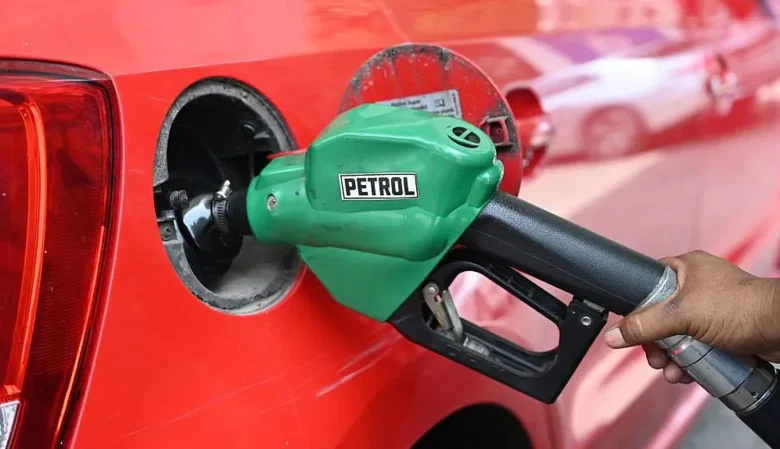
Global oil prices dropped sharply on Monday while Asian stock markets rallied amid growing optimism over a possible peace agreement involving the United States, Israel and Iran.
On Saturday, Donald Trump announced that a deal with Tehran had been “largely negotiated,” adding that further details would be revealed soon. However, a day later, he urged negotiators to avoid rushing the process.

In Asian trading on Monday, Brent crude, the global oil benchmark, fell by 5.5% to $97.90 per barrel, while US crude declined by 5.9% to $90.93.
Investors reacted positively to hopes that the proposed agreement could lead to the reopening of the Strait of Hormuz, a critical shipping route that handles roughly one-fifth of the world’s oil and liquefied natural gas exports.
The waterway has remained largely inaccessible since tensions escalated into conflict on February 28.

In Japan, the Nikkei 225 index surged more than 3%, crossing the 65,000 mark for the first time as investors welcomed signs that energy supplies could stabilise if the strait reopens.
Japan and neighbouring South Korea have been particularly affected by the conflict because of their heavy dependence on Gulf energy imports.
Meanwhile, energy and financial markets in the UK and the US remained closed on Monday due to public holidays.
President Trump stated on social media that he had held a “very good call” with leaders from Saudi Arabia, the United Arab Emirates, Qatar and other nations regarding a “Memorandum of Understanding pertaining to PEACE.”
According to him, the agreement is close to completion but still subject to final negotiations involving the United States, Iran and other countries.
Trump also revealed that he had spoken with Israeli Prime Minister Benjamin Netanyahu, describing the conversation as productive.
While the US president maintained that any agreement would prevent Iran from acquiring nuclear weapons, he later cautioned on Truth Social that negotiators should take their time to avoid mistakes.
Iranian Foreign Ministry spokesperson Esmaeil Baqaei acknowledged that the positions of the US and Iran had moved closer in recent days. However, he warned that major differences still remain and accused Washington of making contradictory statements.