KATH Doctors’ Strike Over CEO’s Suspension Leaves Patients in Limbo
Doctors withdraw services over CEO suspension dispute, leaving patients stranded as healthcare delivery at Ghana’s leading referral hospital is severely disrupted
- KATH doctors’ strike over CEO suspension disrupts healthcare services.
- Patients left stranded without medical care at the hospital.
- Doctors demand reversal of CEO suspension and new emergency care guidelines.
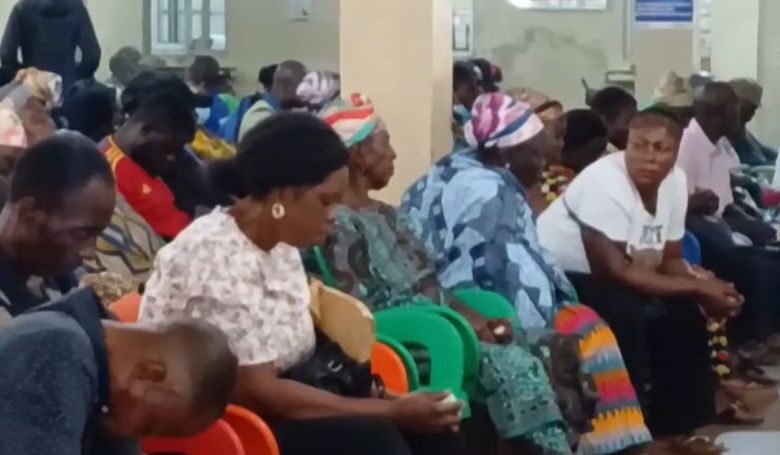
Patients at the Komfo Anokye Teaching Hospital (KATH) in Kumasi have been left stranded and in distress after medical doctors declared an indefinite withdrawal of services in protest against the suspension of the hospital’s Chief Executive Officer, Dr. Paa Kwesi Baidoo.
The industrial action, which began at 6:00 a.m. on Saturday, June 6, 2026, has thrown healthcare delivery at one of Ghana’s busiest referral centres into disarray, with patients and relatives expressing frustration over the absence of doctors and severely reduced clinical services.
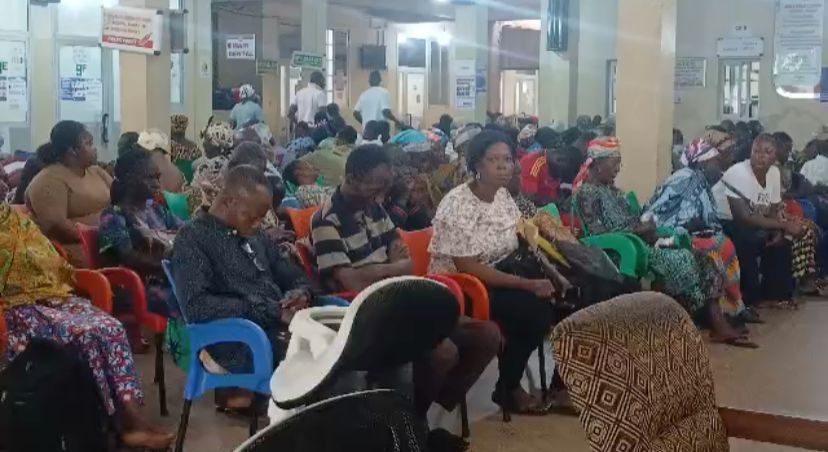
As of Sunday, wards and emergency sections of the hospital were largely deserted by doctors, while some nurses were present but not actively attending to patients due to a parallel sit-down strike. The situation has left many patients in critical condition without immediate medical attention, effectively placing them in limbo.
The strike follows an emergency meeting of the Komfo Anokye branch of the Ghana Medical Association held on Friday, June 5, 2026, shortly after the Minister of Health directed the hospital’s Board to suspend the CEO for two weeks over administrative concerns.
According to the doctors, the minister’s directive was unjustified and counterproductive to ongoing efforts aimed at safeguarding patient care, especially at a time when the hospital is already under severe pressure from overcrowding and limited infrastructure.

The suspension letter, dated June 5, 2026, was issued under Section 36(1) of the Ghana Health Service and Teaching Hospitals Act, 1996 (Act 526), and addressed to the Board Chairman of KATH. It did not specify whether the suspension of the CEO would be with or without pay.
The controversy stems from a decision by KATH management on Wednesday, June 3, 2026, to temporarily suspend new emergency admissions at the Accident and Emergency (A&E) Centre. The decision was taken in response to severe congestion caused by rising referrals from multiple regions.
However, the Ghana Medical Association (GMA) at KATH insists the move was a necessary clinical and administrative intervention aimed at preventing avoidable deaths and ensuring patient and staff safety under extreme capacity constraints.
The association noted that KATH serves as the principal tertiary referral centre for the middle and northern sectors of Ghana, receiving patients from more than eight regions while operating under significant infrastructural limitations. It argued that the crisis reflects long-standing systemic challenges that require policy and infrastructure solutions rather than punitive measures against healthcare leaders.
Describing the suspension of the CEO as “unjustified and counterproductive,” the doctors warned that such actions undermine efforts to manage the worsening conditions at the hospital.
As a result, the doctors declared a total withdrawal of services, stating that they would not return until the suspension of the CEO is reviewed and reversed, and until clear policies are established on managing emergency overflow situations.
The association is also demanding explicit national guidelines on when emergency admissions may be restricted, as well as urgent timelines for the operationalisation of the Sewua Hospital and Afari Military Hospital to ease pressure on KATH. They are further calling for the retooling of the teaching hospital and other facilities in the Ashanti Region.

Meanwhile, the strike has intensified anxiety among patients and their families, many of whom have been left without clarity on when services will resume. The hospital, already struggling with overcrowding and resource constraints, now faces an escalating crisis that threatens continuity of essential healthcare delivery.
The doctors have, however, emphasized that their action is not intended to disrupt healthcare delivery but to draw national attention to deep-rooted challenges affecting patient safety, clinical governance, and the sustainability of tertiary healthcare services.
They are urging the KATH Board and the Ministry of Health to engage stakeholders urgently to find an amicable resolution and prevent further deterioration of services at the facility.