DVLA to Pilot Digital Registration System in August to End Illegal Number Plate Cloning
DVLA CEO Julius Neequaye Kotey announces a centralized digital system to streamline vehicle tracking and end unauthorized plate production.
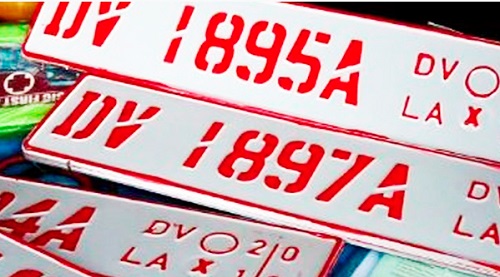
- August 2026 pilot program prepares for a full national launch on January 1, 2027.
- Decouples number plate production from unregulated third parties, linking embossing strictly to DVLA data.
- New system addresses tracking gaps faced by the Ghana Police Service, EOCO, and National Security.
The Driver and Vehicle Licensing Authority (DVLA) will begin piloting a new digital vehicle registration system in August 2026, aimed at curbing illegal number plate embossing and widespread vehicle cloning across Ghana.

DVLA Chief Executive Officer Julius Neequaye Kotey announced that the August trial will lay the groundwork for a full national rollout on January 1, 2027.
“We are looking at doing the piloting from August. The exact date in August I wouldn’t disclose. The piloting system will start then, the main registration begins January 1, 2027,” Kotey stated.
The CEO highlighted severe vulnerabilities in the existing framework, noting that security agencies—including the Ghana Police Service, the Economic and Organised Crime Office (EOCO), and National Security—frequently encounter difficulties when requesting verified vehicle ownership records.
Kotey revealed that unregulated vendors currently produce number plates without documentation or background verification, citing a personal test where he successfully purchased a plate from a roadside vendor in Pokuase simply by writing down a number on paper.

“A number plate you emboss is a security document. It’s not for anyone to have or to be able to emboss,” Kotey emphasized.
Under the forthcoming digital system, manual, decentralized production will be abolished. Instead, number plate manufacturing will be centralized and linked directly to the official DVLA database, transmitting approved details to regulated, authorized embossers.
The overhaul is designed to eliminate cloned plates, enhance national security, and provide law enforcement with accurate, real-time vehicle identification data.