Vetting Clash Was Needless and Avoidable – Bernard Ahiafor
Appointments Committee Chair condemns chaotic scenes, backs investigation into misconduct
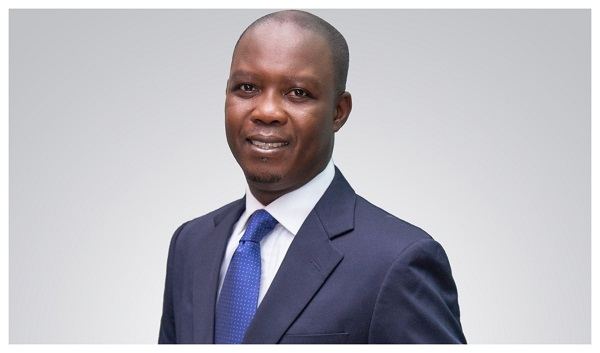
- Ahiafor criticized the clash as unwarranted and dismissed calls for his intervention
- Four MPs were suspended following property damage in Parliament
- A seven-member committee will probe the incident
Chairman of Parliament’s Appointments Committee, Bernard Ahiafor, has criticized the heated altercation between Minority and Majority MPs on January 30, ahead of the vetting of Samuel Okudzeto Ablakwa and Kwabena Mintah Akandoh.
He described the chaos as unnecessary and avoidable, dismissing the notion that he should have intervened.
Ahiafor apologized to Ghanaians but insisted that late-night vetting sessions are not unprecedented, making the uproar unwarranted. The clash resulted in property damage and led to the suspension of four MPs on January 31. In response, Speaker Alban Bagbin established a seven-member committee to investigate the incident and recommend sanctions.
The committee, led by MP Emmanuel Bedzrah, will hold public hearings and gather testimonies through a dedicated WhatsApp platform. Speaker Bagbin emphasized that no public funds would be used for repairs—MPs found culpable will bear the costs. The investigation aims to uphold discipline and restore order in Parliament.