Ghana’s Midwife Crisis Deepens as GRNMA Calls for Urgent National Action
Health experts warn that Ghana’s worsening midwife shortage, driven by migration and uneven distribution, threatens safe childbirth and maternal care nationwide.
- Severe shortage of midwives in Ghana
- Health workers migrating abroad annually
- Calls for urgent national health reforms
Ghana is grappling with a severe shortage of midwives, a situation that reflects a growing global crisis which experts say requires nearly one million additional midwives to ensure safe childbirth worldwide.
The challenge is further deepened by the continuous migration of health professionals, with an estimated 3,000 nurses and midwives leaving Ghana annually in search of better pay and improved working conditions abroad.
The Ghana Registered Nurses and Midwives Association (GRNMA) has stressed that addressing the crisis will require more than just increasing training numbers, calling instead for a comprehensive national strategy to strengthen the midwifery profession.
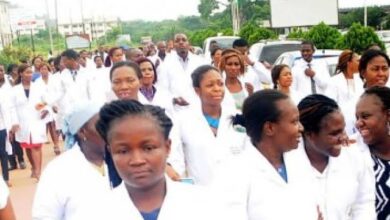
Ashanti Regional First Vice Chairman of GRNMA, Philimon Adu Brempong, made this known at a symposium in Kumasi held to mark the International Day of the Midwife, organised in collaboration with the Midwives Society under the global theme “One Million More Midwives.”
The event brought together policymakers, development partners, health professionals, and student midwives to discuss solutions to the growing workforce gap.
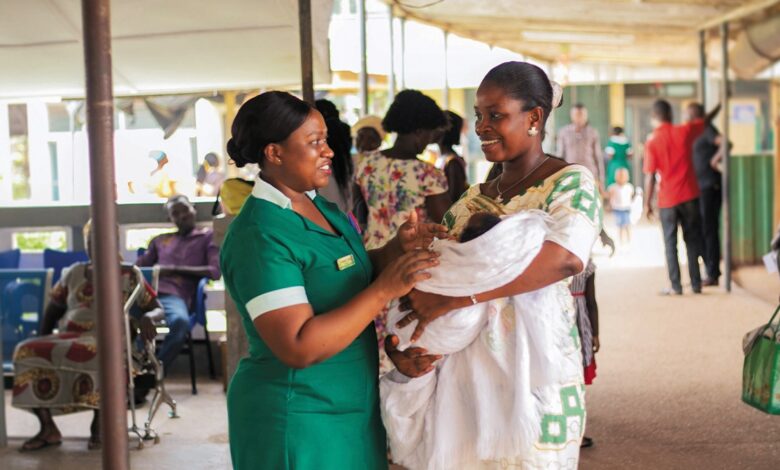
Mr. Brempong noted that demand for midwifery services continues to rise, but staffing shortages remain critical, especially in rural and underserved communities. He called for fair distribution of midwives, improved working conditions, continuous professional development, clear career progression, and measures to reduce burnout.

“The disparity between pregnant women and available midwives is significant. Many midwives are concentrated in cities while rural areas suffer shortages. Scaling up training is necessary to close the gap,” he said.
In her keynote address, Professor Veronica Millicent Dzomeku, Dean of the Faculty of Nursing and Midwifery at Kwame Nkrumah University of Science and Technology, highlighted the vital role of midwives in reducing maternal and neonatal deaths.
She explained that midwives support women through pregnancy, childbirth, and the postpartum period by preventing complications, detecting risks early, and ensuring safe, dignified care.
“Midwives not only bring life into the world, but they ensure life begins safely with dignity and hope. Midwives protect the future,” she said.
Citing data from the World Health Organization, she noted that a woman dies from pregnancy or childbirth complications every two minutes globally, many of which are preventable with proper midwifery care.
She added that strengthening midwifery systems could prevent up to 4.3 million deaths annually by 2035, including reductions in maternal deaths, newborn deaths, and stillbirths.
“Quality midwifery care could prevent 67% of maternal deaths, 64% of newborn deaths and 65% of stillbirths,” she stated, calling for urgent investment in training, mentorship, modern curricula, and better facilities.
She further urged government, private sector actors, and NGOs to respond to the needs of midwives and communities.
Meanwhile, Ms. Gertrude Adomako Mensah, Regional Coordinator of the Midwives Society, encouraged pregnant women to prioritise antenatal care and regular hospital visits, while urging midwives to intensify counselling and support for expectant mothers to improve safe delivery outcomes.