Ghana to Take Full Control of Vaccine Funding by 2030 — Ato Forson
Ghana to fully finance vaccines and essential medicines from 2030 as Global Fund support winds down
- Ghana to fully fund vaccines and essential medicines by 2030
- Global Fund support expected to end by 2029
- Government strengthens health financing and NHIS reforms
Ghana is set to begin fully financing vaccines and essential medicines from 2030 as international support, particularly from the Global Fund, is expected to gradually phase out, Finance Minister Dr. Cassiel Ato Forson has announced.
According to him, the government is taking proactive steps to ensure the country’s health system remains sustainable and resilient ahead of the anticipated end of external support by 2029.
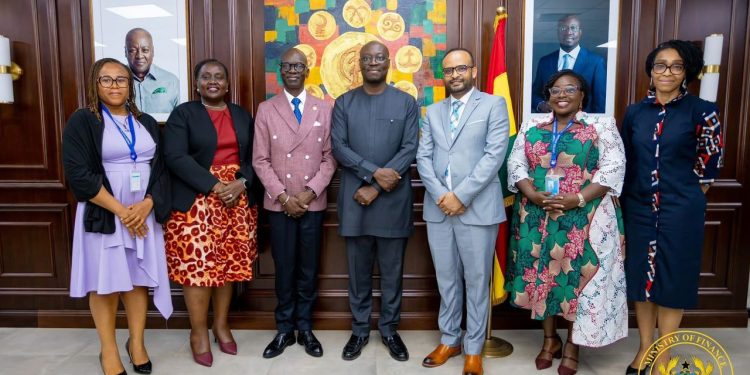
Dr. Forson made the disclosure during a meeting on Thursday, May 7, 2026, with the World Health Organisation’s Regional Director for Africa, Dr. Mohamed Yakub Janabi, where discussions centred on strengthening Ghana’s healthcare delivery system.
He explained that from January 2030, Ghana will fully budget for and cover the cost of vaccines and critical medicines as part of a broader policy shift to reduce donor dependence and improve health security.
The Finance Minister noted that the move aligns with wider reforms aimed at improving life expectancy and overall quality of life in the country.
He added that since 2025, government has increased allocations to the health sector, removed caps on the National Health Insurance Levy, and ensured that the National Health Insurance Authority receives full funding strictly for healthcare services.

Dr. Forson further highlighted increased investments in the prevention and treatment of non-communicable diseases through the Ghana Medical Trust Fund, as well as the establishment of specialised treatment centres nationwide.
He also pointed to the rollout of the Free Primary Healthcare Programme as part of efforts to expand access to basic health services across the country.
For his part, Dr. Janabi praised Ghana’s health sector reforms, stressing that a strong and healthy population is essential for productivity and economic growth.
He also urged African countries to invest more in local pharmaceutical production and reduce reliance on imported medicines and vaccines, while strengthening systems to tackle non-communicable diseases.