Niger Marks Three Years Under Military Rule as Violence Escalates
Despite strong oil-driven economic growth, Niger continues to face escalating jihadist attacks, political repression and growing concerns over democratic freedoms.
- Niger marks three years under military rule following the 2023 coup
- Jihadist violence and insecurity continue to worsen across the country
- The junta has strengthened its control while restricting political and civic freedoms
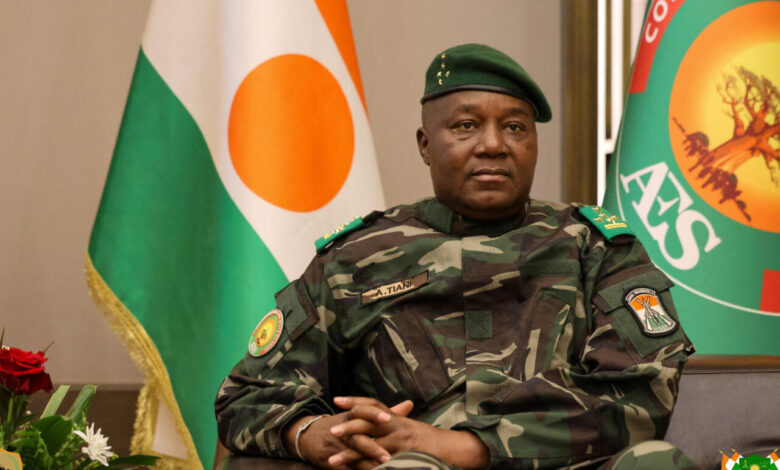
Niger has marked three years under military rule following the 2023 coup, with the country facing a mixed reality of strong economic growth driven by oil production and a worsening security crisis.
Since seizing power, General Abdourahamane Tiani has overseen an economy boosted by expanding oil revenues. However, the economic gains have been overshadowed by increasing jihadist violence across the central Sahel.
Security attacks targeting civilians and the armed forces have intensified in recent years, with rising casualties and frequent assaults by extremist groups.
Former ambassador Kiari Liman-Tinguiri described the western Tillabéri region as the country’s most dangerous area, citing the growing threat posed by armed militants.
At the same time, the military government has tightened its grip on power by dissolving political parties, restricting civic freedoms and imposing tighter controls on the media and civil society organisations.
Human rights groups have also raised concerns over arbitrary arrests, media censorship and increasing pressure on non-governmental organisations.

Meanwhile, former President Mohamed Bazoum, who was removed from office during the coup, remains in detention with limited contact with the outside world.
Although the country’s expanding oil sector continues to provide a major source of revenue for the military government, many citizens remain concerned about the deteriorating security situation and the continued erosion of democratic freedoms.