Dafeamekpor Calls for Decentralised Anti-Corruption Fight, Slams OSP’s Accra Focus
South Dayi MP Urges Expansion of Anti-Corruption Operations Beyond Accra to Tackle Widespread Misconduct Nationwide
- Dafeamekpor criticises OSP’s Accra-centred operations
- Calls for regional and district-level anti-corruption offices
- Says corruption is widespread beyond the capital
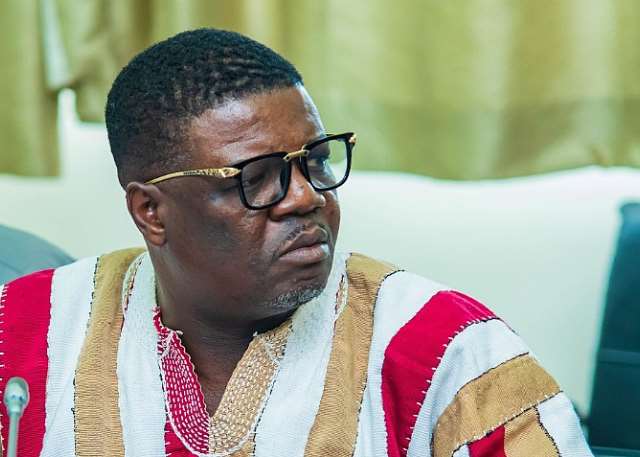
Majority Chief Whip Rockson-Nelson Dafeamekpor has criticised the Office of the Special Prosecutor (OSP) for what he describes as an overly Accra-centred approach to fighting corruption.
The South Dayi MP argues that crime in Ghana cannot be effectively addressed if anti-corruption efforts remain concentrated in the capital alone.
Speaking in an interview, he urged the OSP to expand its presence across the regions and districts to strengthen its impact nationwide.

Responding to questions about his earlier comments and whether his stance had changed following President John Mahama’s call for patience, Mr Dafeamekpor maintained that the institution still had significant room for improvement.
He said he respects the President’s position, noting that Mr Mahama had acknowledged that the OSP “could do better” and urged critics to give the office more time to deliver.

According to him, the President appealed for patience and asked stakeholders to allow the OSP time to “blossom.”
However, Mr Dafeamekpor insisted that meaningful progress would require the anti-corruption body to decentralise its operations beyond Accra and Tema.
He referenced the OSP Act, which he said allows for the establishment of regional offices, arguing that corruption cases are widespread across the country.
“Crime is not only coterminous to Accra or Tema,” he said, adding that Auditor-General reports show financial misconduct is prevalent in district assemblies and public institutions nationwide.
He further noted that a stronger local presence would serve as a deterrent to public officials engaged in misconduct.
“If every district knows there is an OSP officer there, things will change,” he argued, calling for coordinated regional and district-level offices.
While reaffirming that the OSP should be given time, he cautioned that patience must be matched with visible reforms and expansion.
He also questioned the effectiveness of the current structure, suggesting that limited outreach does not justify the level of public funding allocated to the institution.