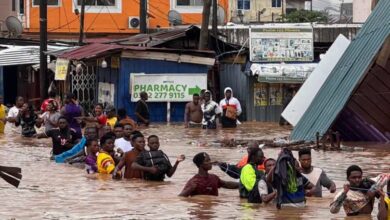
Stop Building on Hills Now’: Unchecked Construction Risks Environmental Disaster — Prof. Oteng-Ababio Warns
The urban planning expert is calling for stricter enforcement of land-use regulations, warning that uncontrolled development on hillsides could trigger flooding, erosion, and other environmental disasters.
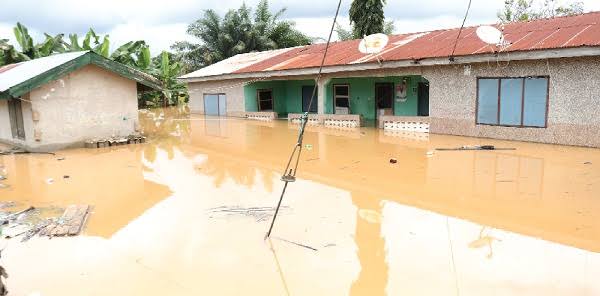
- Prof. Oteng-Ababio urges authorities to halt construction on hills and other environmentally sensitive areas.
- He warns that unchecked development increases the risk of flooding, erosion, and landslides.
- The expert calls for stronger enforcement of planning laws and sustainable urban development practices.
A leading urban planning expert has renewed calls for stricter enforcement of building regulations, warning that the rapid development of homes and commercial structures on hillsides poses a growing threat to lives, property, and the environment.
According to Prof. Oteng-Ababio, the increasing disregard for land-use planning and environmental regulations has resulted in widespread construction in ecologically sensitive areas, including hilltops and steep slopes that are vulnerable to erosion and landslides.

He cautioned that continued encroachment on these areas could worsen flooding, destroy vegetation, and destabilize natural landscapes, especially during periods of heavy rainfall.
“The time has come to stop building on hills without proper planning and environmental assessment,” he stressed, adding that sustainable urban development requires strict adherence to planning laws and responsible land management.
The urban planning expert urged local authorities, developers, and landowners to prioritize environmental protection over short-term economic gains. He also called on planning agencies to intensify monitoring and enforce existing regulations against unauthorized developments.

Environmental advocates have long argued that unregulated construction contributes to the loss of green spaces, increases runoff during storms, and places communities at greater risk of natural disasters.
Prof. Oteng-Ababio further encouraged government institutions to strengthen public education on responsible land use while ensuring that offenders who violate planning regulations are held accountable.
His remarks add to growing concerns among environmental experts that Ghana’s expanding urban population must be matched with sustainable planning policies to protect communities and preserve the country’s natural ecosystems.