Islamic State-Linked Militants Kill 29 in Northeast Nigeria Village Attack
Deadly raid underscores persistent insurgency and growing regional security concerns
- Islamic State-linked militants kill at least 29 villagers in Adamawa State attack
- Gunmen also abduct students in separate raid in Kogi State, with some rescued
- Ongoing insurgency raises fears of spillover into neighbouring West African countries
At least 29 people have been killed following a deadly overnight raid by militants linked to the Islamic State in northeastern Nigeria, highlighting the persistent insecurity in the region.
Attack on Guyaku Village
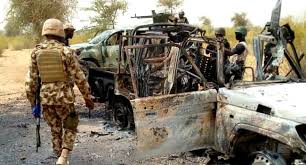
The assault occurred late Sunday in Guyaku, located in Gombi Local Government Area of Adamawa State. Residents reported that gunmen stormed a football gathering and opened fire indiscriminately, killing dozens. The attackers also burned homes, places of worship, and motorcycles before retreating.
The Islamic State later claimed responsibility via a message on the Telegram platform, though no specific motive was disclosed.
Government Response and Community Impact
Governor Ahmadu Umaru Fintiri condemned the attack, describing it as a tragic and unacceptable act. During a visit to the affected community, he expressed grief over the loss of lives and pledged swift action.
Local authorities say fear and tension remain high, with many residents fleeing their homes. The state government has announced intensified security operations and continued collaboration with military forces and local vigilante groups to restore order.
Ongoing Insurgency
Northern Nigeria has faced insurgency for over two decades, with the northeast serving as a stronghold for groups such as Islamic State West Africa Province and factions linked to Boko Haram. While responsibility for the Guyaku attack was claimed by Islamic State, it remains unclear which affiliate carried it out.

The conflict, ongoing since 2009, has resulted in tens of thousands of deaths and displaced more than two million people. Earlier this month, nearly 400 individuals were convicted in mass trials related to insurgent activities.
Separate Abduction in Kogi State
On the same day, gunmen attacked a school in Lokoja, abducting 23 pupils from the Dahallukitab Group of Schools. Authorities later confirmed that 15 children had been rescued, while efforts continue to locate the remaining victims.
Officials noted that the school was operating without authorization. Security agencies have launched operations to ensure the safe return of those still missing.
Broader Security and Regional Concerns
The surge in violence has reignited international debate over the nature of the conflict. While some external voices, including Donald Trump, have framed the crisis in religious terms, Nigerian authorities maintain that victims span multiple faiths. Data from the Armed Conflict Location & Event Data Project supports this, indicating that only a small fraction of attacks specifically target religious groups.
The insurgency has also spread beyond Nigeria into neighboring countries such as Niger, Chad, and Cameroon, raising concerns about regional stability.
Efforts to contain the violence have included international support, with the United States conducting air operations and deploying personnel to assist local forces.
Implications for West Africa
The continued instability poses risks for the wider West African region, including countries like Ghana, Togo, and Benin. Security analysts warn that extremist groups may expand southward, threatening regional initiatives such as the Accra Initiative aimed at preventing the spread of terrorism.
Despite ongoing military and legal efforts, the frequency of coordinated attacks suggests that significant challenges remain in protecting vulnerable communities and restoring lasting security.