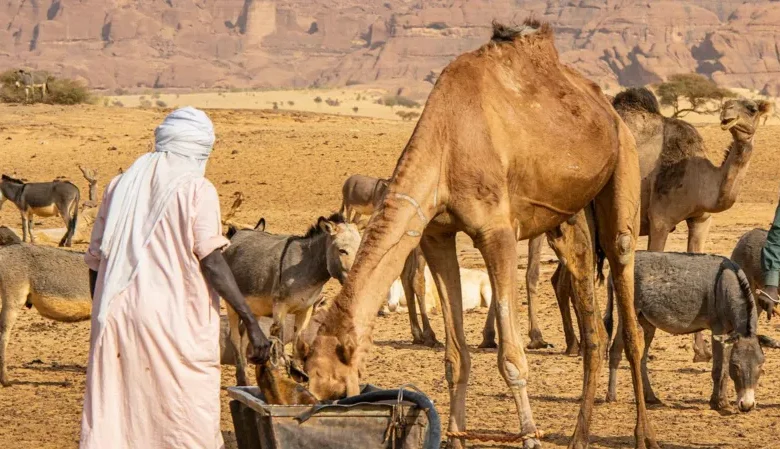
At least 42 people have died and 10 others injured following violent clashes between rival ethnic groups in eastern Chad, after a dispute over access to a water well spiralled into widespread conflict.
The violence erupted in Wadi Fira, where what began as a disagreement between two families quickly escalated into retaliatory attacks across multiple communities. Several villages were reportedly burned as the conflict spread.
Authorities say the situation has since been brought under control after a government delegation led by Deputy Prime Minister Limane Mahamat was dispatched to the region.
Communal violence is a recurring issue in Chad, often driven by long-standing tensions between farmers and herders, as well as ethnic divisions. Disputes over scarce resources such as water and grazing land frequently trigger such clashes.
Recent instability has been compounded by the arrival of refugees fleeing conflict in neighbouring Sudan, increasing pressure on already limited resources and heightening security concerns in border areas.
Officials say the government is taking steps to prevent spillover from the Sudan conflict from further destabilising the region.
Deadly incidents linked to resource disputes are not new. In November, 33 people were killed in a similar clash over a water well in Dibebe, in southwestern Chad.
According to the International Crisis Group, around 1,000 people were killed and 2,000 injured in roughly 100 communal clashes between 2021 and 2024.
Meanwhile, Amnesty International reported that at least 98 people died in seven documented cases of herder-farmer violence between 2022 and 2024. The group attributed the conflicts partly to climate change and criticised authorities for failing to respond effectively.
It added that delayed security responses and lack of accountability for perpetrators have contributed to a growing sense of injustice and marginalisation among affected communities.